
Truck towing capacity: complete guide by category and model

A truck's towing capacity cannot be assessed simply by looking at the biggest number on a spec sheet. In reality, it varies a lot depending on the configuration you choose, including the engine, cargo bed length, cab, and any equipment or accessories you add. A truck can look excellent on paper, yet be less suited to your daily reality, depending on what you actually need.

We’ve put together a complete guide by truck category, including midsize, full-size, Heavy Duty, and electric pickup models, so you can better understand what to expect by type. You will also get a clearer idea of which one to choose to pull your small or large travel trailer, enclosed trailer, horse trailer, boat, ATVs or other motorized leisure vehicles, as well as your construction materials or heavy machinery.


For any questions, you can also contact our experts in Lanaudière, at GM Paillé Berthierville or GM Paillé Sorel-Tracy. For the best customer service in the area, you don’t even need to visit us in person! You can do so remotely, and we can even send photos or videos if needed. We also have the largest inventory of new or pre-owned trucks, so you can truly find the one that fits your reality. We can even deliver it directly to your home, no matter where you live in Quebec.

Understanding towing capacity

A truck's towing capacity represents the maximum weight your pickup can pull when it is properly equipped. The top figure often depends on the combination of a specific engine, a towing package, a given cab, a cargo bed length, 2WD or 4WD, and sometimes a particular hitch type, such as a fifth-wheel or a gooseneck for HD models. In other words, two versions of the same truck can show very different ratings.


You also need to distinguish conventional towing from heavy towing. On a 1500 or a midsize truck, we are mostly talking about a trailer hitched at the back of your truck. On a 2500 HD or 3500 HD model, the biggest numbers are often achieved with a fifth-wheel or a gooseneck installed in the cargo bed. That nuance matters, because a truck that can tow 36,000 lb. does not achieve that feat in just any configuration.

PRO ADVICE

“Buyers often make the mistake of only looking at the big towing number on the manufacturer’s website and think that they will have access to that muscle automatically. 

In reality, your pickup’s towing capacity is determined in the details. All the choices you make will affect your ability to tow. I’m talking here about the choice of engine, cab, bed, wheels, accessories, equipment and more.

That’s why, if you want to make a durable purchase and end up with a truck you can trust, the best thing to do is to come and discuss your needs with an expert.”

‒ Alexandre Rivest, sales consultant

What affects a truck's towing capacity

The first factor that influences a truck's towing capacity is the powertrain. An engine with higher torque will help you launch heavier loads, get moving again on a slope, and maintain a steadier pace. This is exactly why Duramax Diesel engines still lead the top towing ratings on 1500 and especially on HD models, while electric motors rely on very strong instant torque to deliver impressive capabilities.

The second factor is the truck's configuration. A shorter cab or 2WD can sometimes allow a higher rating simply because it affects the vehicle's overall weight. For example, the GMC Sierra 1500 and the Chevrolet Silverado 1500 reach their peak of 13,300 lb. in very specific configurations, while the 2500 HD and 3500 HD climb much higher with specialized trims, a long cargo bed, and the proper towing equipment.

The third factor is everything you put inside the truck. GMC and Chevrolet towing guides remind you that passenger weight, cargo, accessories, and even tongue weight reduce what your truck can actually pull. So, a maximum number on a website never replaces checking the exact configuration and the actual load.

Payload vs. towing capacity: understanding the difference

Towing capacity and payload do not mean the same thing. Towing capacity refers to the mass your truck can pull. Payload is about what your truck can carry on board: passengers, luggage, tools, accessories, and the load applied by the trailer on the hitch. This is where many buyers make a mistake.

If your trailer pushes down strongly on the hitch, that weight counts toward the load supported by the truck, which reduces your overall available payload. That is exactly why a truck can show a solid tow rating yet lack payload margin once you add passengers, luggage, and the trailer.

The best thing to do is always to ask an expert for advice before choosing your truck, and discuss your real needs. You can even list everything you plan on towing with your pickup before meeting.

If you already own a truck, the best practice is to check the label inside the door and the owner's manual. That is the only way to know what the vehicle can tow in real life, not just in its best theoretical version. If in doubt, you can always call the experts at GM Paillé.

Key points to consider

Before choosing your truck, ask yourself four key questions.

  • What do you actually tow: a small utility trailer, a family travel trailer, a fishing boat, a jobsite trailer, horses, heavy machinery?
  • How often will you tow: once a summer or every week?
  • Where will you tow most often: on the highway, back country roads, in the city, on the jobsite, on trails, on a boat ramp?
  • What do you carry in your truck: passengers, luggage, tools, accessories, construction materials?

The answers to these four questions should help you narrow down your choice.

The best trucks for their towing capacity are not necessarily the best for your family reality, your needs, or your hobbies. To make sure you choose the right truck, come talk with our expert advisors at GM Paillé. We know every model in detail.

PRO ADVICE

“With the prices of fuel, a lot of buyers are now considering purchasing an electric truck. But an important question to ask yourself is: how will you plan on charging while towing?

The Silverado EV and Sierra EV are very capable trucks but, like with any electric vehicle, towing has an impact on your overall available range. On the other hand, you will gain a quiet and smooth driving experience, a lot of torque and an external power supply, which can be very useful on the jobsite or when camping.”

‒ Alexandre Rivest, sales consultant

Towing capacity of our midsize trucks

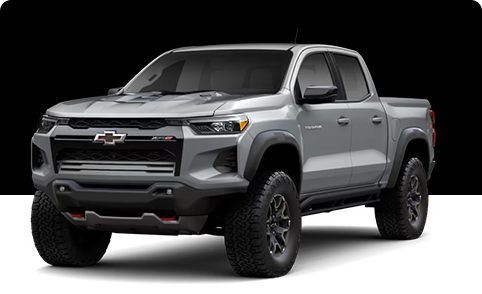
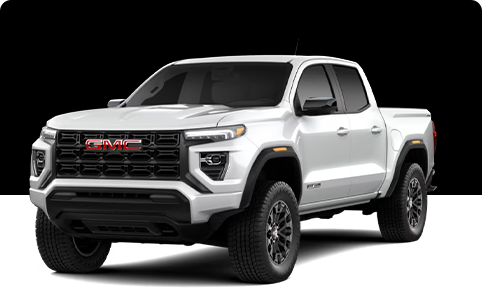
In the midsize category, you will find the 2026 Chevrolet Colorado and the 2026 GMC Canyon with up to 7,700 lb. This is the ideal type of truck for you if the towing capacity of a quarter-ton truck meets your needs and you want a practical truck format for a main or family vehicle.

Towing capacity of our full-size trucks

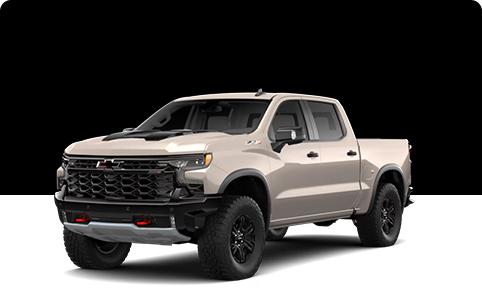
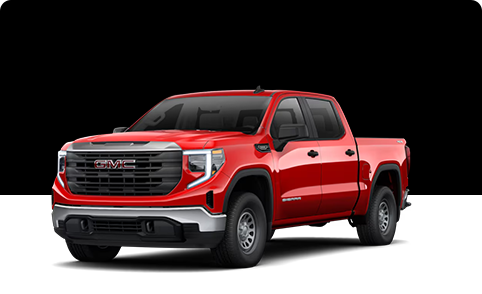
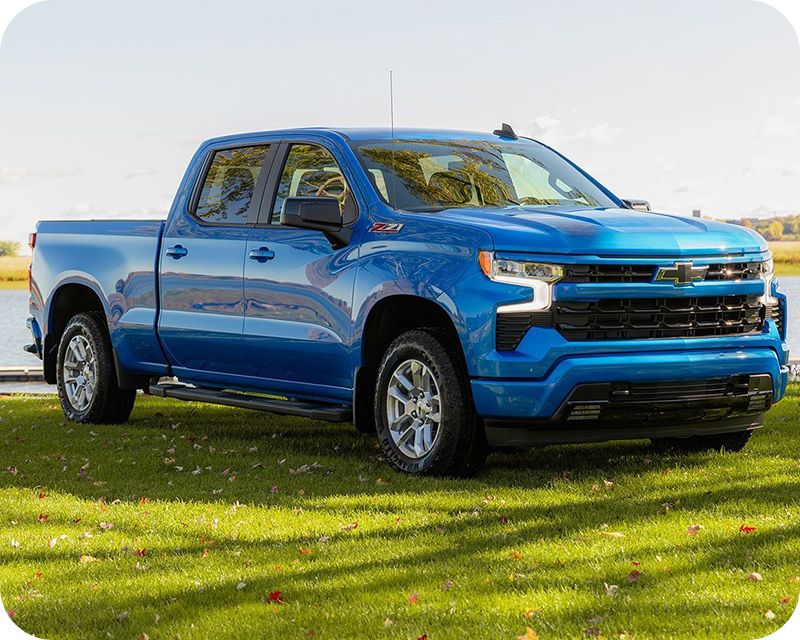
If you want the best balance between family life, ride comfort, a variety of cabs, and real work capability, the 2026 Chevrolet Silverado 1500 and the 2026 GMC Sierra 1500 remain the most versatile. This type of truck gives you the sweet spot between size, capability, and comfort. It is a solid fit if you plan to use it for work or leisure on a regular basis, while still wanting comfort for the whole family.

Towing capacity of our Heavy Duty trucks

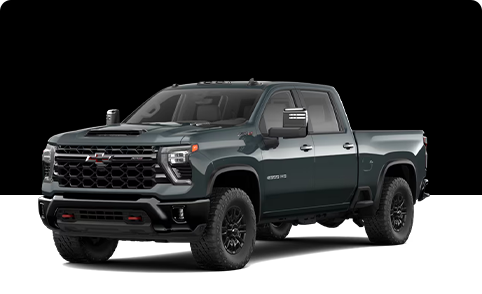
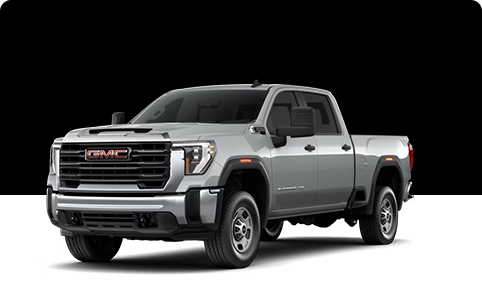
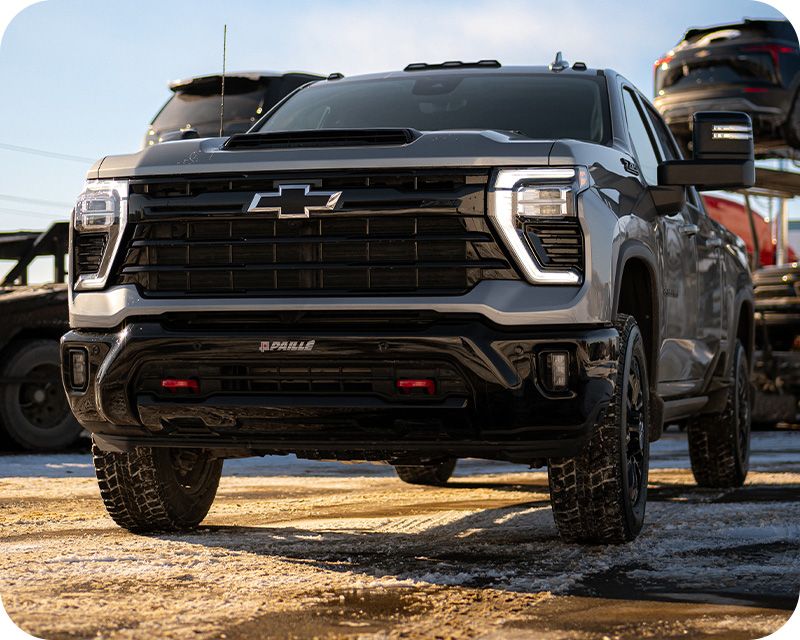
When you move into HD trucks, the game changes. The 2026 Chevrolet Silverado 2500 HD and the 2026 GMC Sierra 2500 HD offer the towing capacity of a three-quarter-ton pickup, which can exceed 20,000 lb., and 3500 HD trucks offer up to 36,000 lb. We are talking about real tools for heavy towing, jobsite trailers, horses, fifth-wheel setups, and sustained, intense work.

Towing capacity of our electric trucks

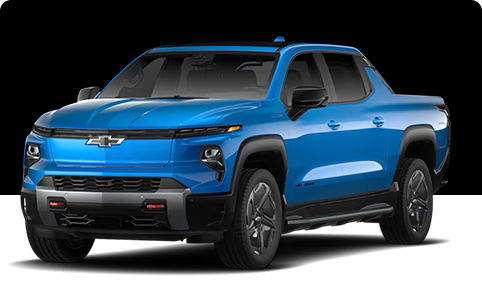
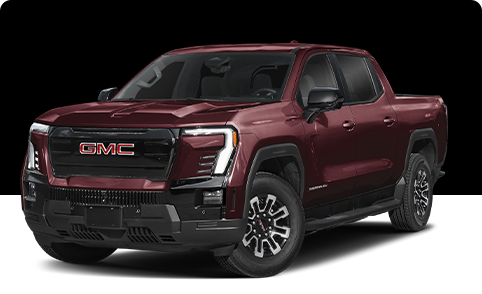
Electric trucks are no longer just an exercise in style. They now deliver impressive capabilities along with many other day-to-day advantages. Their strength is not only in the number; it is also in the way they tow. You get instant response, quiet operation, impressive stability, and advanced technologies.

Truck towing capacity FAQ

Contact us

Don't worry! We'll never share or sell your personal information.Privacy Policy
Logo Access 360