
Truck 101: Everything you need to know before buying
May 13 2026,
Summary
A complete guide to understanding how a truck works, even if it’s your first.
Shopping for your first truck means stepping into a world with its own vocabulary: 1500, HD, crew cab, GVWR, payload... And you quickly realize that a truck is not only about size or power.
This guide will help you understand all the basics, even if you’re starting from scratch.
What will you really be using your truck for?
Before talking engines, cabs, or towing, start with the question that matters most: What do you want to do with your truck?
Everything flows from that.
For some, it’s a tool for work.
For others, a family vehicle.
And others still are looking for a truck for the cottage, their snowmobile or camper, or for outdoor adventures. And there are those who need a light-duty work truck without going overboard, such as self-employed workers, technicians, contractors, etc.
If you’re looking for a truck to tow a travel trailer three times a year, you won’t have the same needs as someone hauling a mini excavator every week.
Choosing a family truck also means different priorities than choosing one for the jobsite.
A truck for the cottage will mean different constraints than a truck for city driving.
What you will actually be doing with your truck should, therefore, be your starting point.
Daily work
If your truck is your main work tool, whether you are a contractor, landscaper, technician, or labourer, you must prioritize capacity, durability, cargo bed configuration, and access to your equipment. A 6.5- or 8-foot cargo bed completely changes how you carry your gear.
A properly configured 1500 can replace an HD for many self-employed workers. Heavy-duty trucks become relevant when you regularly exceed a 7,500 to 8,000 lb. payload.
Seasonal towing
Travel trailer, boat, snowmobile, RV...
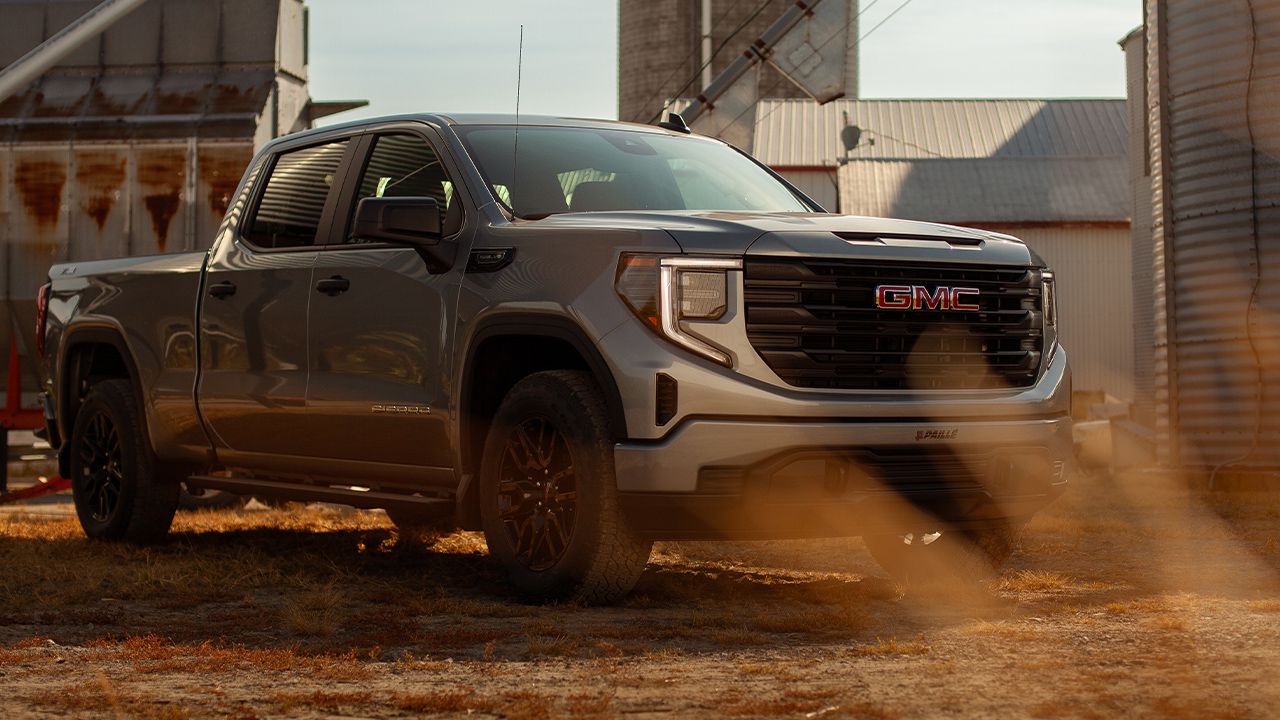
If you only tow a few times a year, there is no need for an oversized model. You will want a balanced engine, a stable suspension, and a towing capacity that matches the weight you actually need. You’ll need a truck that remains comfortable every day, but ready when you need it.
Engines with strong low-end torque, such as a V8 or a modern turbo V6, make towing much more pleasant when the trailer is hitched than a naturally aspirated V6.
Above all, you must leave a margin. Published capacities are calculated in ideal conditions. In practice, a 15 percent buffer is recommended. A trailer rated at 5,500 lb. can easily exceed 6,500 lb. once loaded. And the load applied to the truck often surprises buyers.
A good weight-distributing hitch and a rear suspension suited to the task can completely change on-road behaviour while towing.
Family vehicle
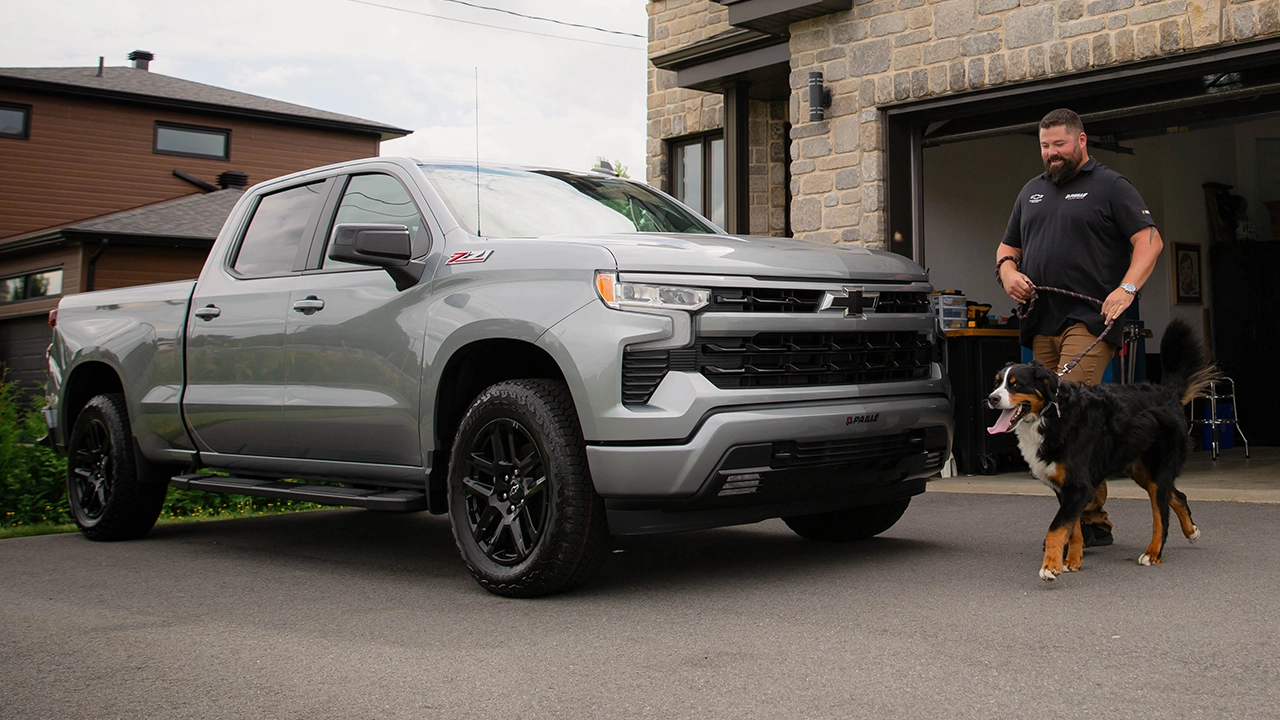
More and more families drive trucks.
For family use, your truck becomes your main vehicle. A crew cab is almost a must, because the rear space in a modern 1500 equipped with this type of cab exceeds that of many midsize SUVs.
Recent trucks are also better insulated, more stable on the highway, and equipped with the same driver assistance features as SUVs. In terms of fuel consumption, a truck does use more and that is normal. But the gap is smaller than it was ten years ago, especially with modern engines relying on cylinder management. For a family that enjoys summer vacation with a trailer or regularly heads to the cottage in winter, a truck often becomes the most logical choice.
Cottage, outdoors, snowmobile, ATV
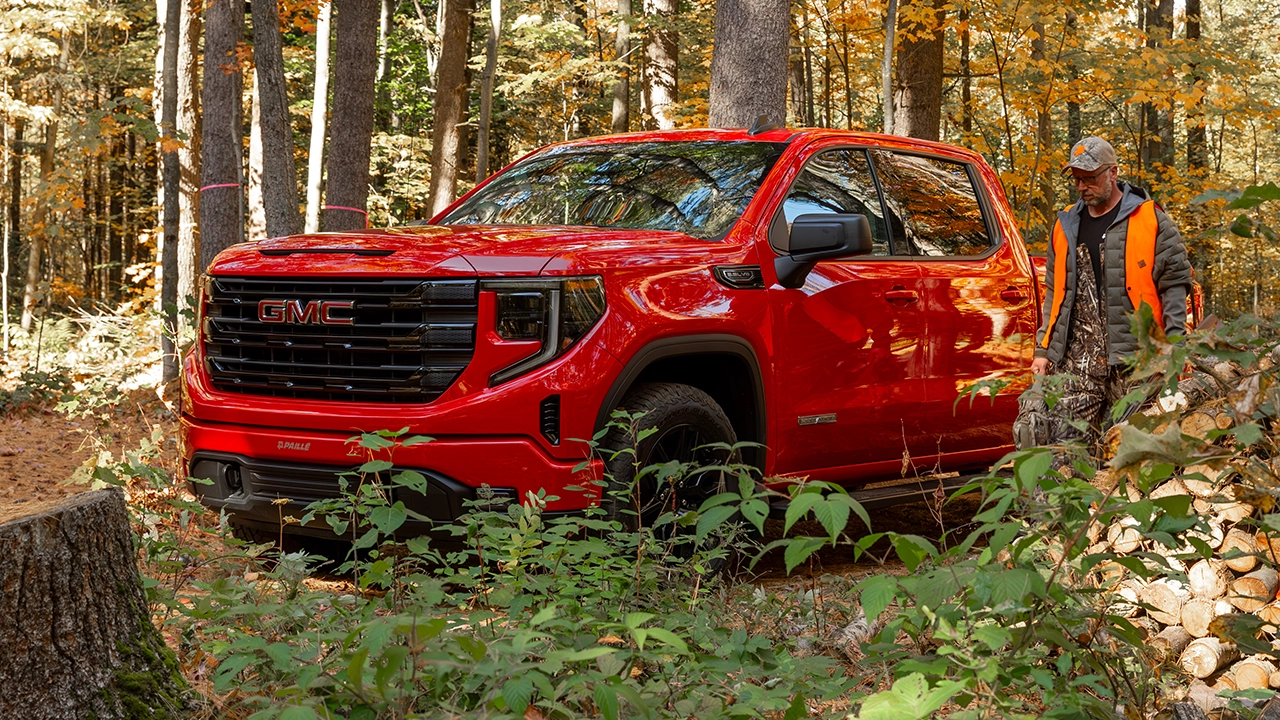
If your truck is used to haul gear, crawl up forest roads, or pull a recreational trailer, you will prioritize traction, ground clearance, and cargo bed configuration. A 4x4 system is also a must. All-terrain tires make a huge difference, sometimes more than a more powerful engine. A 6.5-foot cargo bed will allow you to load an ATV without the equipment sticking out at the back past the bed, which is safer. Forest roads demand solid underbody protection, and trucks equipped with skid plates handle rocks and ruts better.
Light professional use
If you’re self-employed, a sales rep, or a technician, you’ll want a capable truck without being excessive. Modern V6 engines are often sufficient, especially if you don’t tow heavy loads. Mid-level trims offer the best balance between comfort, durability, and maintenance costs. And in many cases, a well-equipped 1500 can be more cost-effective than a midsize SUV if you regularly carry materials and equipment.
Main truck categories
Understanding sizes: compact, mid-size, 1500, HD. We cover the basics here, but you can check out our full guide.
Mid-size models like the Colorado and the Canyon are an excellent compromise for many Quebec drivers. They are powerful enough to tow a small camper or a snowmobile trailer, yet more manageable than a full-size truck in tight parking spots.
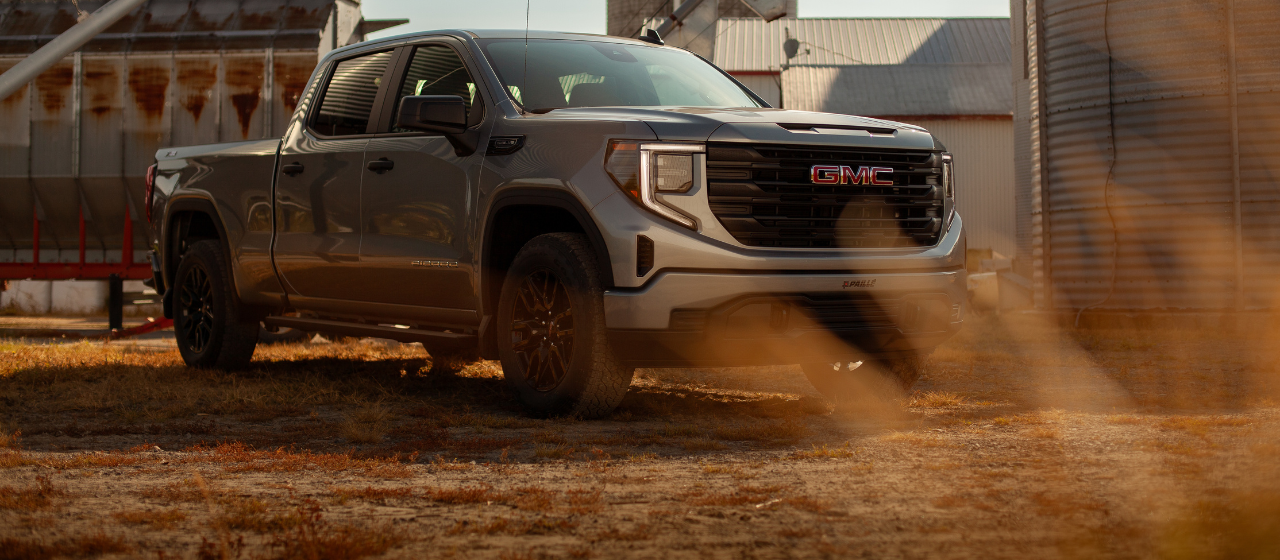
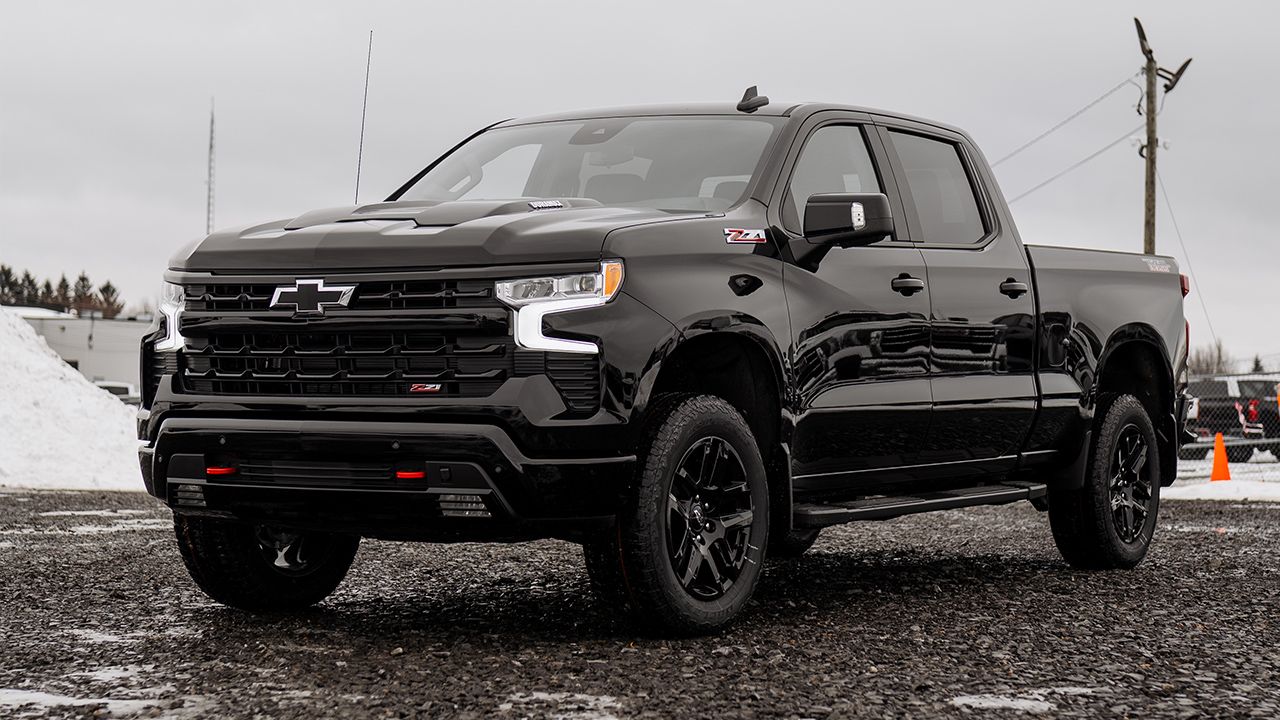
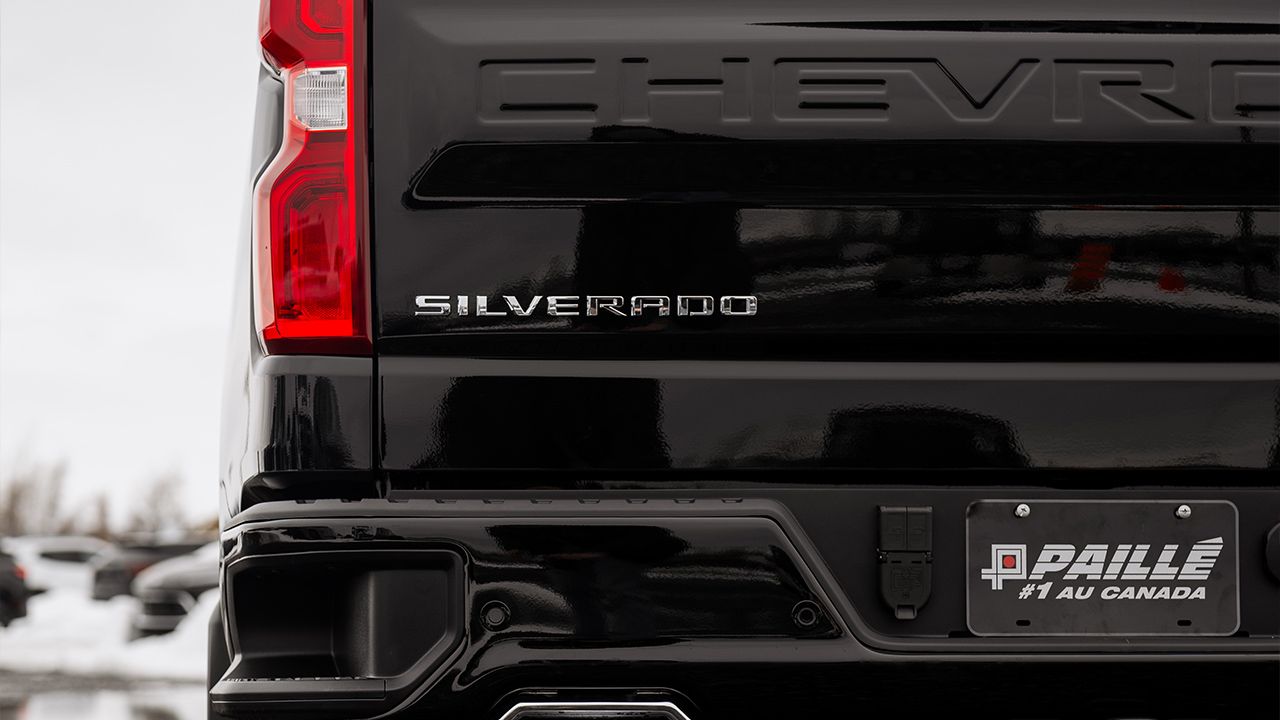
1500s are the heart of the market and the most versatile in size. They are comfortable enough to become the main family vehicle, and robust enough for work and seasonal towing. They are the logical choice for most buyers. At GM Paillé, you’ll find the GMC Sierra 1500 and the Chevrolet Silverado 1500.
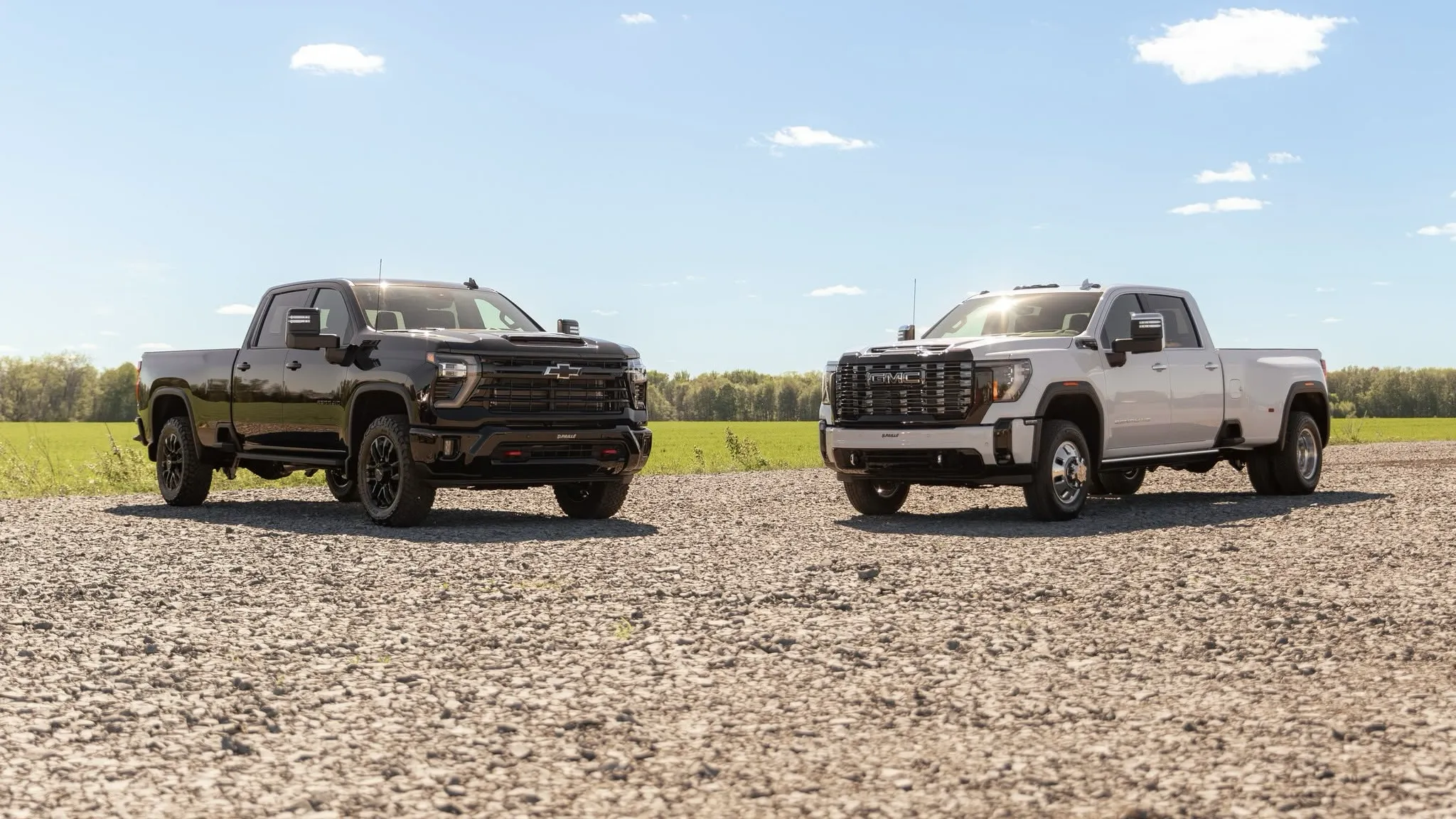
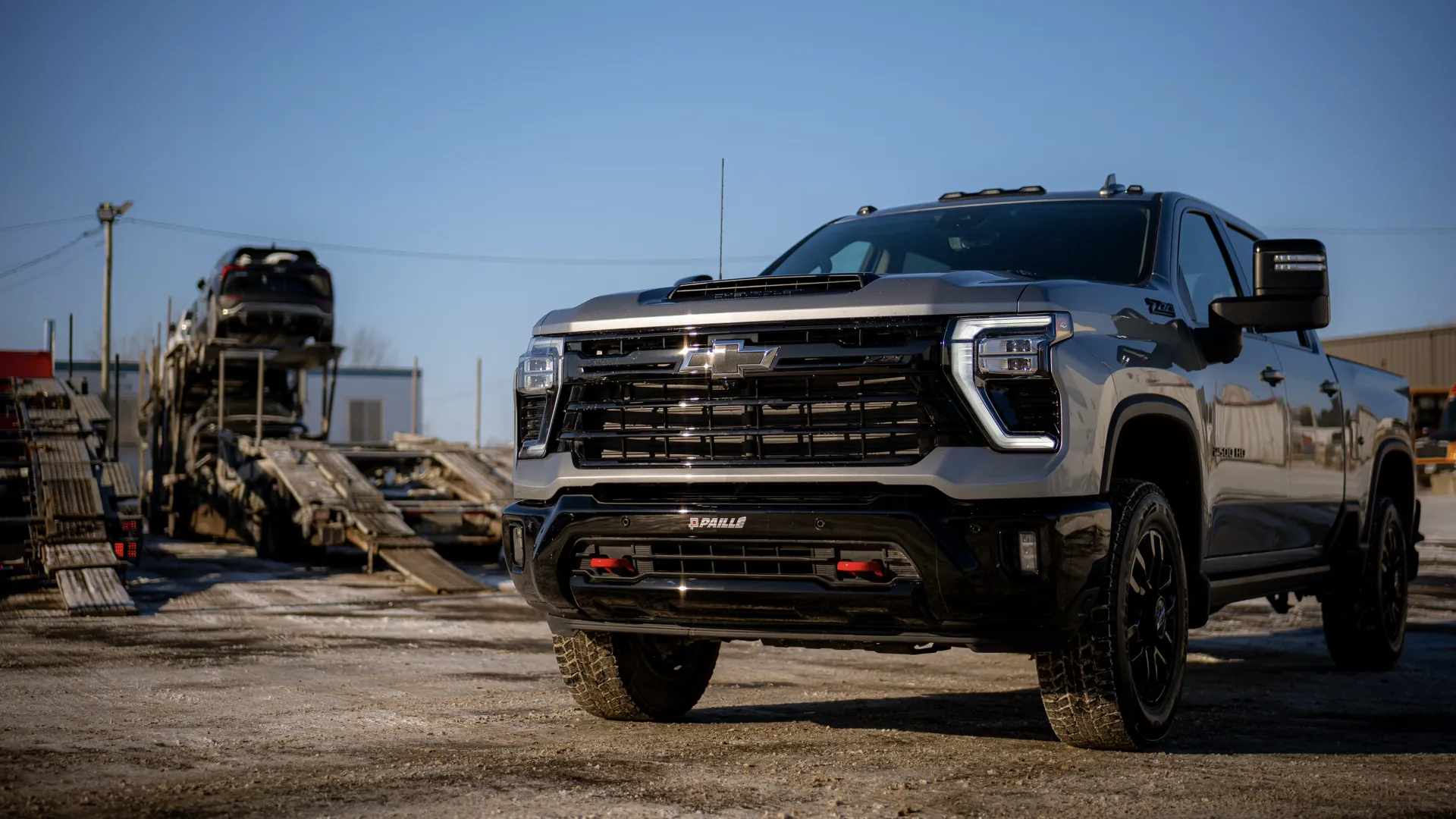
HD models, like 2500s and 3500s, are designed for heavy work. A more rigid frame, a firmer suspension, and markedly higher towing and payload capacities place them in another category. You will find the GMC Sierra 2500/3500 and the Chevrolet Silverado 2500/3500 in our catalogue.
Compact trucks are handy in the city, but for life in Quebec that includes towing, snow, cottages, and equipment, an intermediate or mid-size format often offers a better balance.
Electric trucks also bring different dynamics behind the wheel. At GM Paillé, you can explore the Chevrolet Silverado EV and the GMC Sierra EV. Two electric full-size trucks with the capability and space you can expect from a modern pickup.
Cab and cargo bed: the balance between space and practicality
The cab and cargo bed are not just about aesthetics. They determine how your truck will behave day to day.
Cabs
The regular cab is the smallest: 2 doors, 2 or 3 seats, and a minimalist cabin. It is mostly used in agriculture or in trades where an 8-foot cargo bed is indispensable.
The double or extended cab adds a second row and also has 2 doors, generally for 4 to 6 passengers, depending on the model, but rear space remains limited. It is practical for family use or protected interior storage, though it is not a true family cab. Access varies by model, sometimes with smaller rear doors. It is a good compromise for someone who wants a shorter, more manoeuvrable truck while keeping some flexibility.
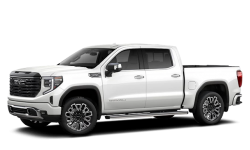
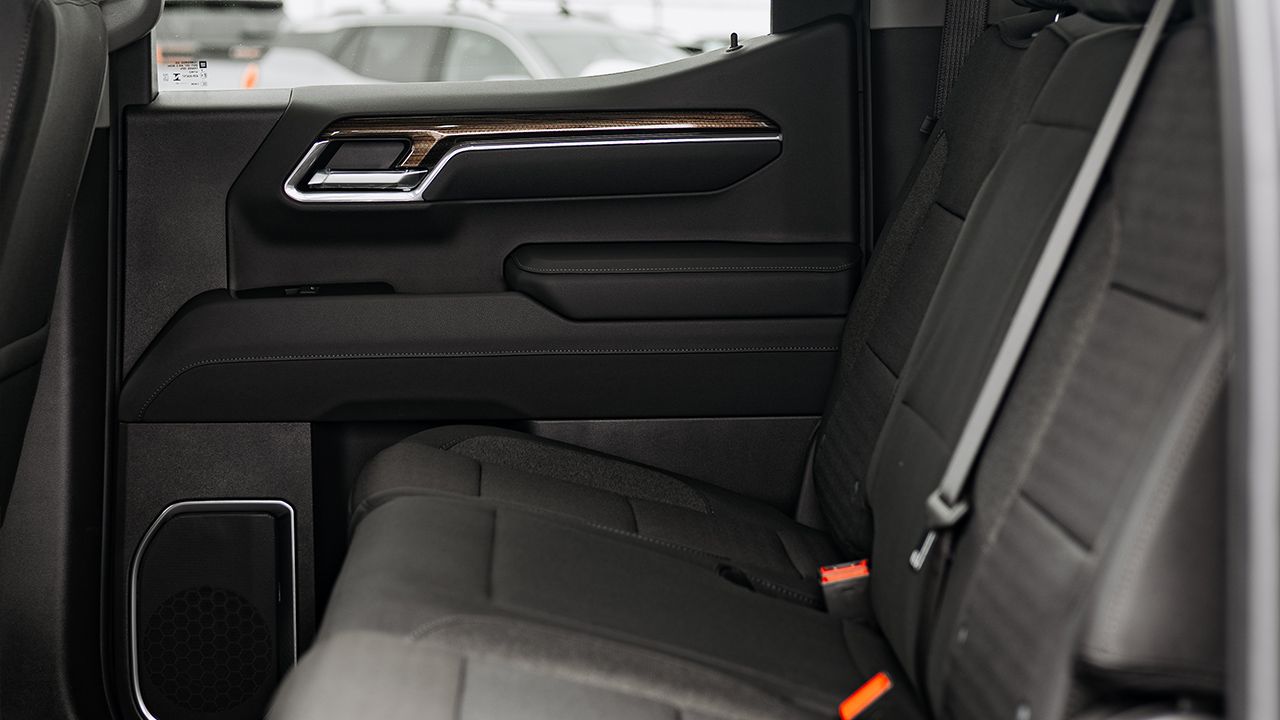
The crew cab has become the norm. 4 full-size doors, 5 or 6 seats, depending on the rear bench, and rear space comparable to a midsize SUV, with comfort suiting both families and workers. It is the most versatile choice for a family, a self-employed worker, or anyone who regularly carries passengers. No matter the manufacturer, the crew cab is designed to offer maximum interior comfort and space.
Cargo Beds
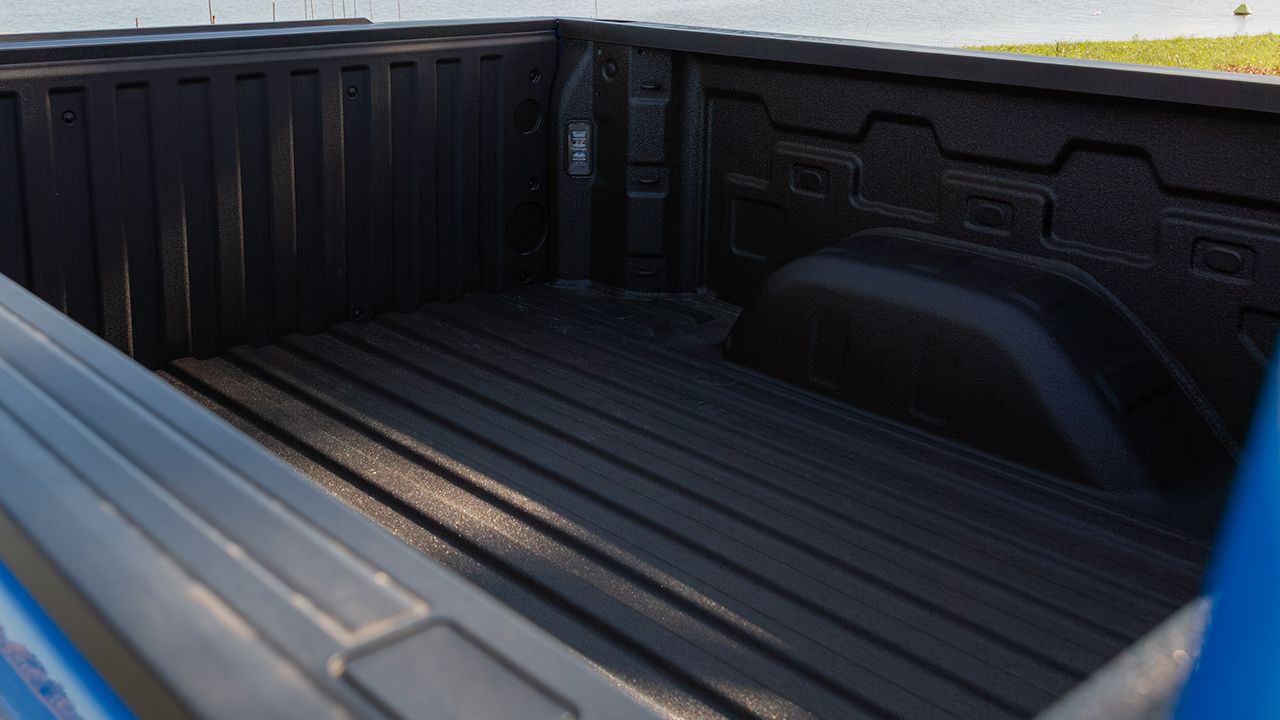
Most trucks are offered with two main cargo bed options: a shorter and a longer version. There is no single dimension across manufacturers, but as a rule of thumb, a short cargo bed is roughly 5.8 to 8 feet, and a long cargo bed is around 8 feet.
A shorter cargo bed makes the truck easier to live with every day. Overall length goes down, parking is simpler, and manoeuvres in the city are less demanding.
A longer cargo bed increases load space and lets you carry materials or equipment without having to leave the tailgate down. In return, it lengthens the vehicle considerably. Depending on the chosen cab, this may reduce manoeuvrability or limit some possible combinations.
Garage fit
Often forgotten: A crew cab plus long cargo bed configuration can exceed 20 feet. Always verify overall length if you want it to fit in a residential garage.
To go further: see our cab and cargo bed guide.
Towing capacity: understanding the real numbers
GVWR (Gross Vehicle Weight Rating)
The maximum weight your truck can support in total. That includes the truck itself, passengers, gear in the cargo bed, added accessories, and the weight applied by the trailer.
Payload vs. towing capacity
Many mix up the two.
Payload = what the truck supports.
Passengers + gear + trailer tongue weight.
Towing capacity = what the truck pulls behind it.
Example:
A 6,000 lb. trailer exerts about 10 to 15 percent of its weight on the truck.
That represents 600 to 900 lb. directly counted in payload.
And that is often where the limit is reached even before you hit the published towing capacity.
Next step: explore the options available to you
Now that you have a solid idea of what a truck can offer, this may be the right time to come chat with us. The Paillé team is always here to help you sort through the options, understand what fits your real-life use, and show you what we have in inventory. Drop by GM Paillé Berthierville or GM Paillé Sorel and we will help guide you through the best options.
FAQ
Is a truck hard to drive for a first-time buyer?
Not as much as people think.
Modern trucks have power steering, multiple cameras, parking sensors, and sometimes a 360° view. Most drivers adapt quickly in just a few days.
What surprises most at first is the width and length. But the higher driving position helps you feel in control.
Is a truck too big for everyday city use?
It depends on the configuration.
A 1500 crew cab with a long cargo bed can exceed 20 feet. In downtown areas or underground parking, you will notice it.
On the other hand, a shorter setup, such as a 5.5- or 6.5-foot cargo bed, remains perfectly usable every day, especially with today's driver assistance features.
The real question is your parking environment: garage, condo, street, downtown, etc.
What are common mistakes first-time truck buyers make?
First-time buyers often choose a truck without clarifying their real needs: how much weight they will tow, what load they carry, etc. Cargo bed length, number of passengers, and transmission type also have a big impact on daily use.
Too many people buy on impulse, trusting a brand with eyes closed, for example, without comparing models, without a test drive, and without asking the opinion of someone who knows the field.
Should I lease or finance my truck?
Leasing suits those who like changing vehicles every 3 to 4 years and who drive predictable mileage.
Financing is often more logical if you plan to keep your truck for a long time or if your mileage is high.
For professional use, you must also consider tax implications.
Should I buy new or used?
New offers:
- Full warranty
- Recent technologies
- Precise configuration for your needs
Used can lower the initial cost, but available configurations are more limited.
What matters is history, maintenance, and matching your needs.
Can a truck serve as a main family vehicle?
Yes, and it is increasingly common.
The modern crew cab offers a lot of passenger space. Driver assistance and comfort are comparable to SUVs.
The main difference remains fuel consumption and vehicle size. If those two elements match your reality, a truck can certainly become your primary vehicle.