
Diesel vs. gas: understand the differences to make the right choice
April 08 2026,




Summary
- Diesel vs. gas: what are the main differences?
- Fuel economy: diesel vs. gas
- Performance and power
- Maintenance and durability of diesel and gas engines
- Purchase price
- Economic and environmental impact
- Diesel vs. gas: which engine to choose based on your use?
- Frequently asked questions about diesel and gas engines
Summary
- Diesel vs. gas: what are the main differences?
- Fuel economy: diesel vs. gas
- Maintenance and durability of diesel and gas engines
- Purchase price
- Economic and environmental impact
- Performance and power
- Diesel vs. gas: which engine to choose based on your use?
- Frequently asked questions about diesel and gas engines
Choosing between a diesel vs. gas engine is not a small detail when picking a truck. On paper, the diesel engine may seem ideal with its torque, its rugged demeanour and its towing abilities. The gas engine, for its part, is often simpler to purchase, easier to justify day to day and very capable for most uses.
In other words, the more your needs in payload, towing and mileage increase, the more diesel becomes a logical choice. Even so, a gas engine still has its place and will remain the best fit in many situations.
The answer really depends on your needs and how you actually use your truck day-to-day. If you are hesitating on your next Paillé pickup, do not hesitate to ask our experts at GM Paillé Berthierville or GM Paillé Sorel-Rracy. We know the different truck models inside out and we can guide you based on your daily reality and lifestyle.
You will also gain access to the largest inventory of new or used trucks, along with the best customer service in town, which is at the very heart of our values. You can’t make it in person? No problem. We will send photos and videos to help you decide. You can also have your new truck sent directly to your door, since we deliver everywhere in the province.
Diesel vs. gas: what are the main differences?
One of the biggest differences is in the engine's character, or the feel of the engine. A diesel is generally preferred for its high torque that comes on earlier, which helps a lot when towing, when you start off with a heavy load, or when you spend long hours on the highway.

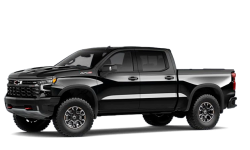
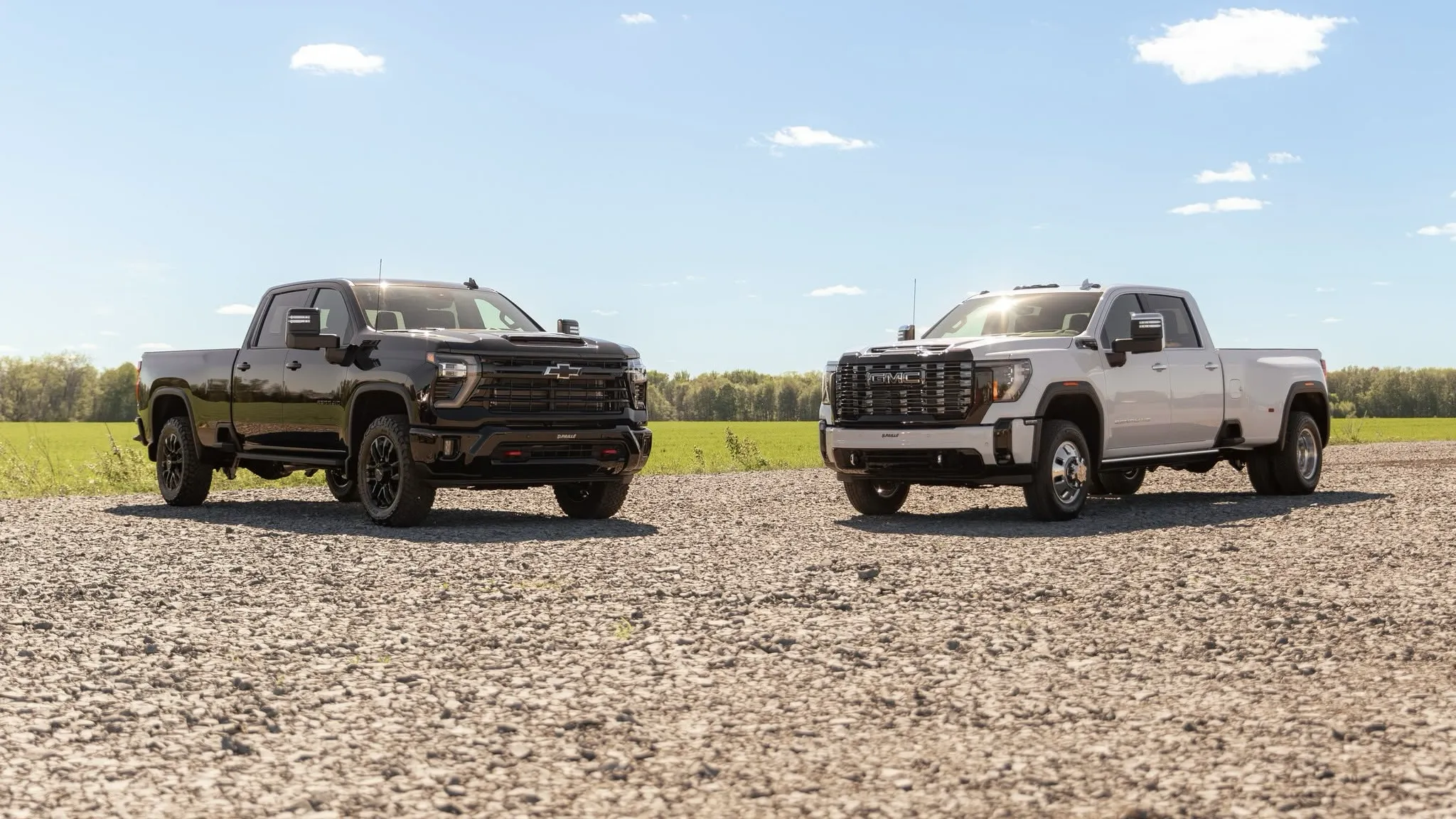
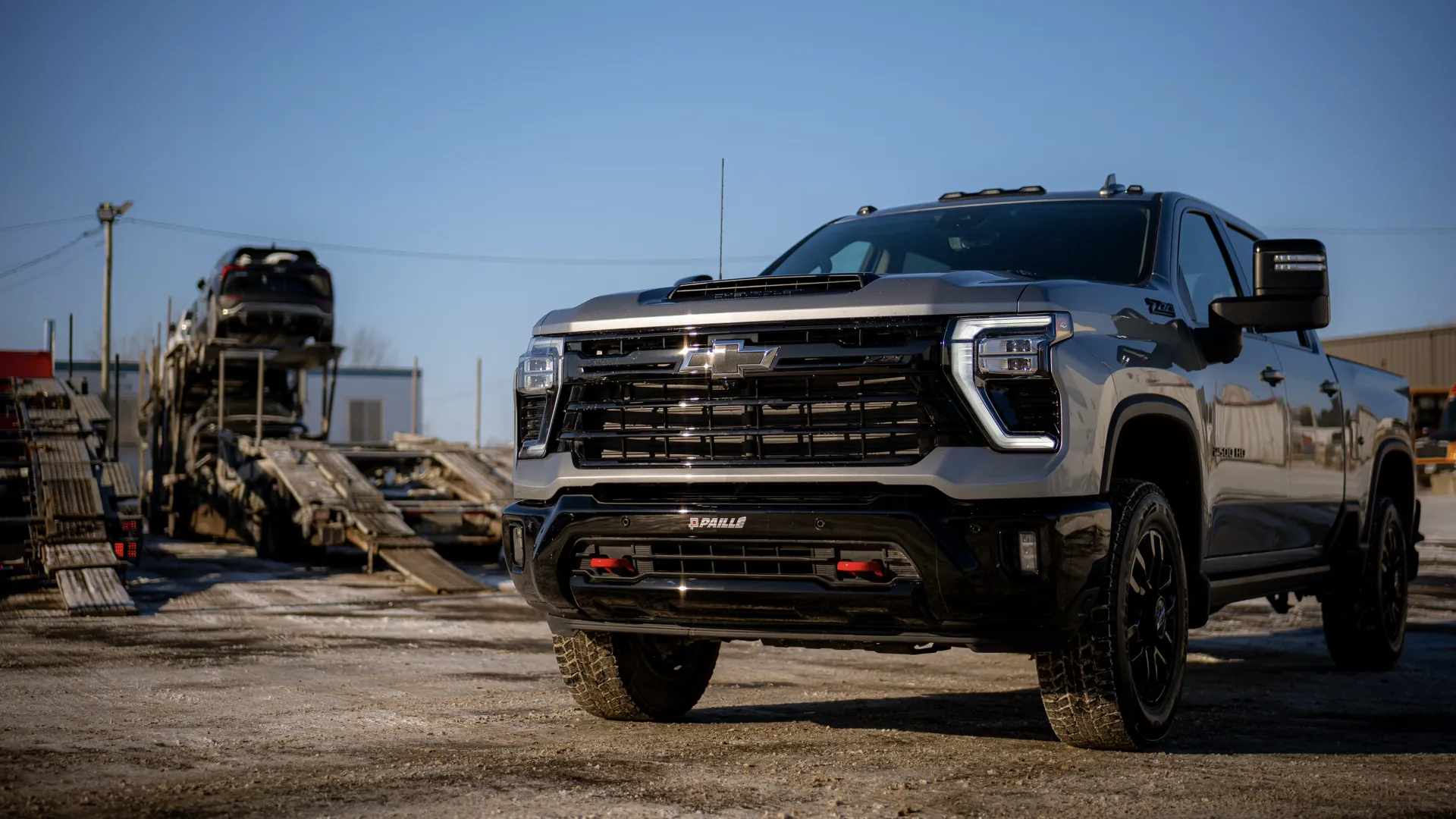
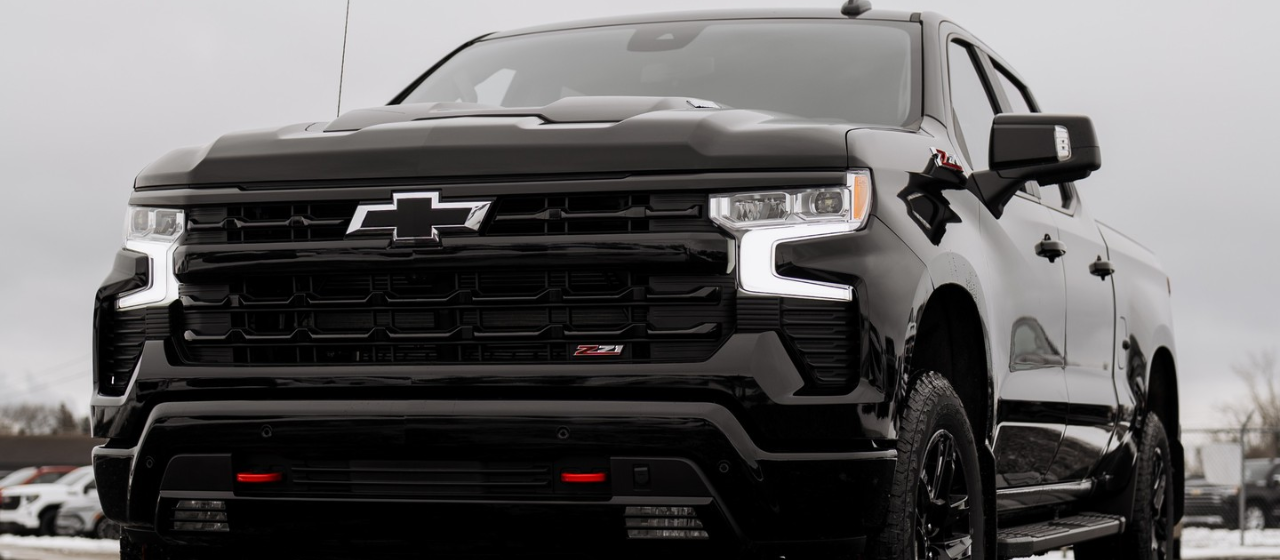
In the Chevrolet lineup, the Silverado 1500’s 3.0 L Duramax develops 305 horsepower and, especially, 495 lb-ft of torque, while the 6.6 L Duramax that equips Silverado HD models reaches 470 horsepower and 975 lb-ft of torque, which is practically double. You can expect similar figures on GMC models. These numbers explain why diesel engines are still very present in the world of trucks.
Gas powertrains often focus on a more immediate response and a wider selection. That is, while you may have only one diesel option, you will often have more than one gas option on the same truck model. In short, diesel engines usually dominate when you’re looking for pure torque and heavy towing, but gas remains an excellent choice in a modern truck for other advantages, such as daily use, typically lower maintenance costs and better cold-weather reliability, for example.
Fuel economy: diesel vs. gas
On the question of diesel vs. gas consumption, diesel often keeps an advantage, especially if you do a lot of highway driving or regular towing. Simply put, diesel is designed to offer good fuel efficiency while maintaining strength under load.
To understand the real cost, a common mistake is to look only at L/100 km without thinking about the price at the pump. The difference in price per litre between gas and diesel can vary by region, season and market. Keep those numbers in mind if you are comparing the fuel consumption of a diesel or a gas engine so you get a more concrete idea of the price difference.
Do not forget that energy efficiency will also depend on the chosen configuration, which includes your truck's cab and the length of the cargo bed. A single cab vs. double cab does not weigh the same, so your truck can end up using less fuel. That can make a big difference when gas prices are high.
When you compare the price of a gas truck vs. diesel, all of this needs to be taken into account.
Performance and power
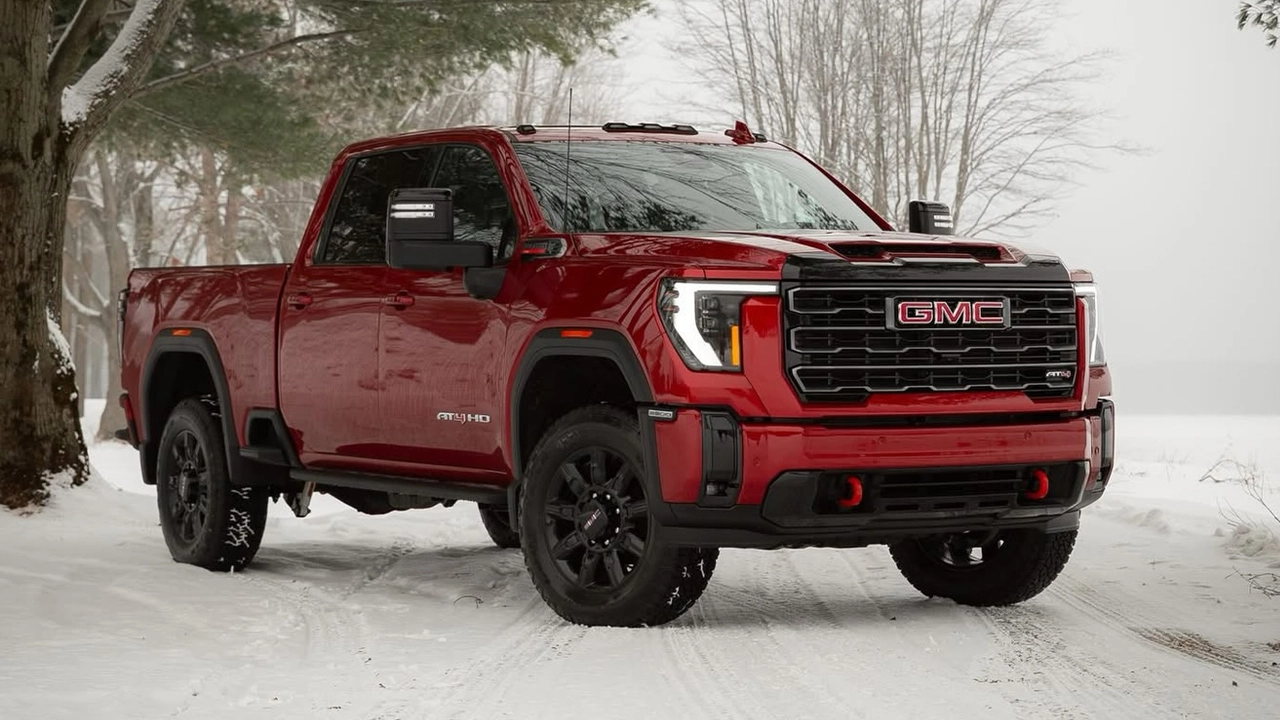
If your main criterion is utility performance, diesel keeps a real advantage. On 1500 trucks, like the with the Silverado 1500 and Sierra 1500, the 3.0 L Duramax combines 495 lb-ft of torque with a maximum of 13,300 lb. of towing. On HD models, the gap becomes even more telling: the 6.6 L Duramax that equips the Silverado HD and Sierra HD delivers 975 lb-ft of torque, versus 464 lb-ft for the 6.6 L gas V8.
We are also talking about around 20,000 lb. of maximum towing with gas on HD models, compared to up to 36,000 lb. with diesel in the optimal configuration. That is practically double.
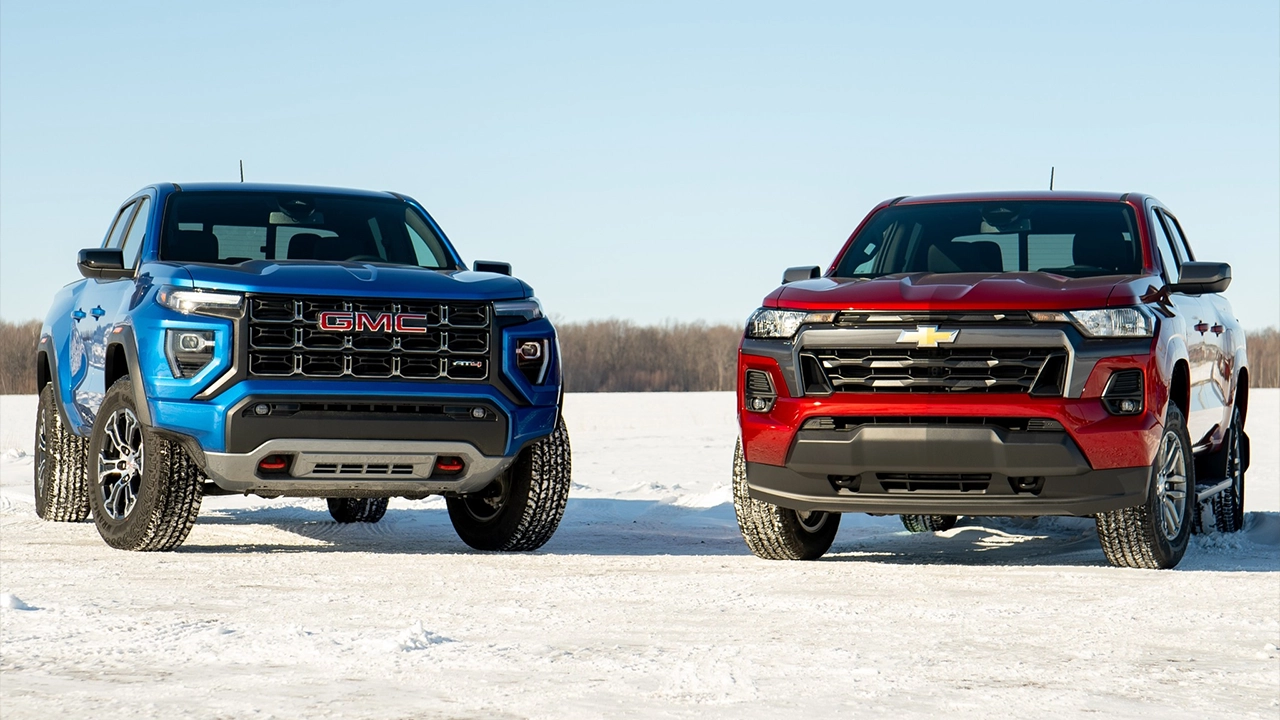
That said, gas remains more than sufficient for many drivers. The 2026 Colorado and 2026 Canyon no longer offer diesel, but their 2.7 L gas TurboMax still gives you 310 horsepower, 430 lb-ft of torque and up to 7,700 lb of towing. This shows that the right engine is not necessarily the most “prestigious”. It is the one that matches your needs best. You can come validate your choice at GM Paillé. Our advisors have in-depth truck expertise and will guide you well.
Maintenance and durability of diesel and gas engines
For servicing, to understand the main difference between a diesel and a gas engine, let’s get real. The durability of your diesel vehicle or your gas vehicle will depend first and foremost on following the maintenance schedule, the type of trips you do, how rough you are with your truck, the weight you tow and your annual mileage.
In other words, fuel type alone does not decide longevity. It is more about how well the powertrain you choose matches your real-world use.
Pro advice :
“Your engine’s durability also depends on how you use your truck.
If you only tow occasionally with your gas-powered GMC Sierra 1500, for example and follow the maintenance schedule to a tee, it will probably last longer than if you treat your diesel GMC HD roughly and give it a hard time by towing heavy machinery daily without regular or proper maintenance.”
‒ Alexandre Rivest, sales consultant
As for the maintenance cost of diesel vs. gas, you can already expect diesel to cost about 10% more. It will also cost more to insure. Even so, the lifetime of a diesel truck vs. a gas one is generally longer. We are talking here about roughly 250,000 to 500,000 km for diesel and 200,000 to 300,000 km for gas.
Purchase price
On the purchase price of diesel vs. gas, the logic is fairly consistent: a diesel truck generally costs more to buy because it is not the base solution in most lineups. That means going diesel often places you in a higher trim of the same truck or requires adding an engine option, which also raises the price.
To recap these tips and help you choose between gas or diesel, here are a few small scenarios:
- If you drive a lot, tow often or keep your truck for a long time, a diesel makes more sense.
- Conversely, if you mostly do city driving, short trips and little towing, gas is often easier to justify economically.
Pro advice :
Alexandre Rivest, sales consultant at GM Paillé, guides you toward the best choice:
Choose the 2.7L gas engine if you use your vehicle mainly for leisure activities and towing under 8,900 lbs.
The 6.2L V8 is good for heavy towing, but the 3L diesel will give you the maximum towing capacity with reduced fuel consumption.
The real questions are: are you mostly carrying your tools? Are you planning on towing often or over long distances? Do you drive mostly in the city?
If you’re hesitating, come and chat with us. We’re here to help you make the right choice.”
Economic and environmental impact
Economically, you need to think in terms of total cost, not just fuel. That means you should account for the vehicle price, fuel and overall operating costs. A lower consumption rating generally helps reduce your annual cost. Diesel can be more interesting if you drive a lot or tow frequently, but the advantage becomes less obvious if you drive little or your use remains light.
On the environmental side, it is not as clear cut as you might think. If you think that a lower L/100 km is automatically better for the planet, that is not necessarily the case. NRCan explains that diesel is a fuel that is denser in carbon than gas, which means that, at the same volume, it produces more CO2.
So, if your diesel requires fewer litres to do the same job, it can still end up generating as much CO2 as a gas engine, depending on your use.

Pros and cons of diesel engines
The main advantage of diesel is its strength under load. If you tow often, stack up highway kilometres or want a truck built for heavier weights, diesel is generally a better choice. That is exactly what the 3.0 L Duramax on the 1500s and the 6.6 L Duramax on the HDs demonstrate.
The main drawback is that it is not always the best purchase for everyone. The entry price is often higher, the economic gain depends on mileage and fuel prices are not stable. If you like it on paper but do not really utilize its strengths, diesel can become a more emotional rather than rational choice.
Pros and cons of gas engines
A gas engine keeps several very solid arguments. It remains the simplest way into the lineup, it covers a wide range of needs, and it is found in midsize models as well as in 1500 and HD full-size trucks. It is also the only solution on the 2026 Colorado and 2026 Canyon.
The downside is that it generally offers less torque than a comparable diesel for very heavy work, especially as you move into the HD range. For light to moderate use, that is not a problem. For frequent, heavy, long-distance towing, it can make a real difference in how it feels and in overall efficiency.
Diesel vs. gas: which engine to choose based on your use?
If you mostly drive in the city, run errands, take a few trips to the cottage and do a bit of occasional towing, gas is often the best choice. A Colorado, a Canyon or a 1500 with a gas engine will already cover a lot of needs without pushing you toward a more expensive powertrain at purchase.
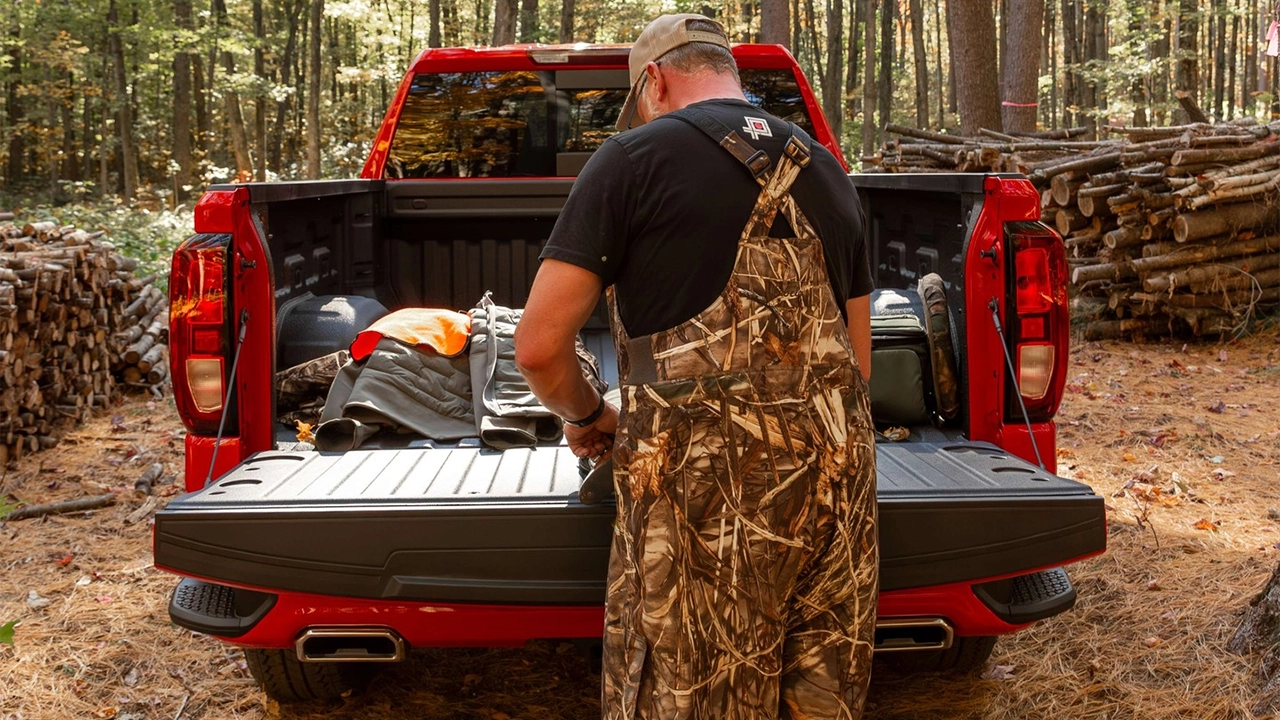
If you tow often, frequently drive on the highway or if your truck really serves for work, diesel deserves to be at the top of your list. That is particularly true on the Silverado 1500 and the Sierra 1500 if you want a versatile full-size truck, and even more on HD models if you pull heavy loads on a regular basis. In the end, the right choice between diesel vs. gas depends on three things: your annual mileage, the real weight of your trailer and how much you are willing to spend at the time of purchase.
Frequently asked questions about diesel and gas engines
Does a diesel engine use less fuel than a gas engine?
Often yes, especially over long highway distances and for intensive towing.
Is diesel better for towing?
In most cases, yes. Diesel shines with its generous torque, which helps at takeoff, with slopes or inclines and under heavy load.
Does a diesel engine cost more to buy?
Generally, yes. In the Silverado 1500, Sierra 1500 and HD lineups, diesel is more expensive. It is often available as an option or paired with higher trims. That is why diesel should ideally be chosen if you plan on using it in a way that offsets its more expensive initial cost.