
6 good reasons to choose a short box for your truck
August 27 2026,
Summary
- What is a short box on a truck?
- #1: Easier to park and manoeuvre every day
- #2: More passenger space without a much longer truck
- #3: Plenty of cargo space for everyday use
- #4: A smart choice if you only haul big loads occasionally
- #5: A better fit for a residential garage
- #6: Towing doesn’t automatically mean you need a longer box
- So, short box or standard box: which one is right for you?
- Come compare them at GM Paillé
- FAQ
Summary
- What is a short box on a truck?
- #1: Easier to park and manoeuvre every day
- #2: More passenger space without a much longer truck
- #3: Plenty of cargo space for everyday use
- #4: A smart choice if you only haul big loads occasionally
- #5: A better fit for a residential garage
- #6: Towing doesn’t automatically mean you need a longer box
- So, short box or standard box: which one is right for you?
- Come compare them at GM Paillé
- FAQ
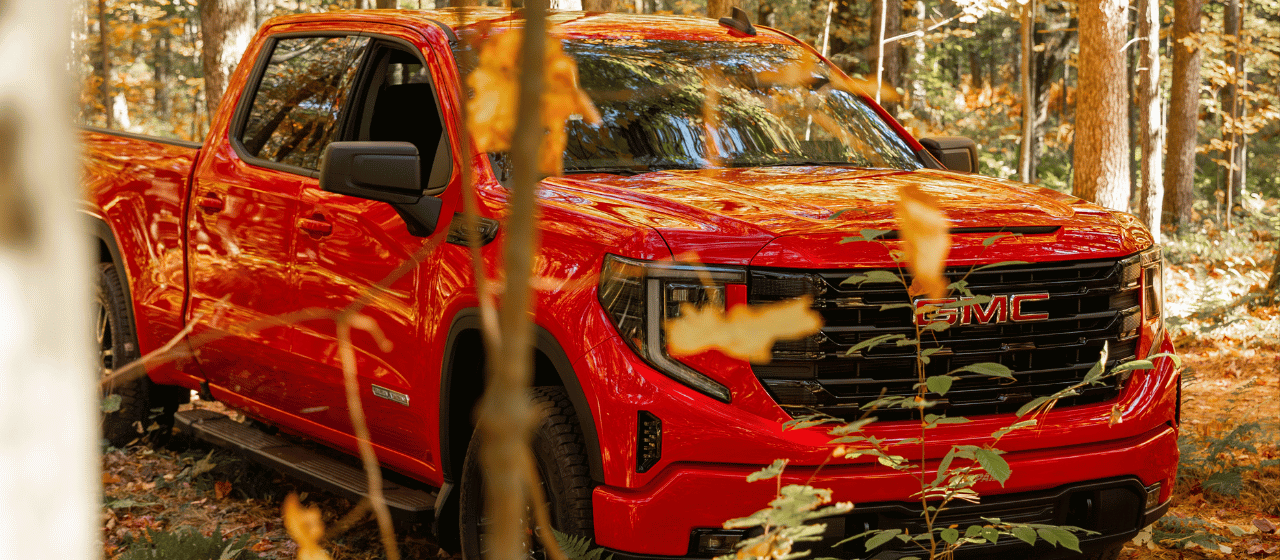
A short bed isn’t a compromise. Sometimes, it’s simply the better choice. Choosing a short box isn’t just about having a shorter truck. It can make a difference in everyday driving, passenger space, what you can carry and even which cab options are available.
Here are six practical reasons why a short bed might be the right fit for you.
What is a short box on a truck?
A short box or bed is the most compact cargo box available on a given truck. Choosing between a short box vs. standard box depends mainly on the model and how you use your truck.
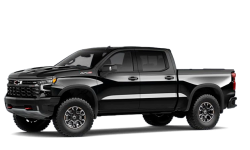
On a Silverado 1500 or Sierra 1500, the short box measures 5’8” (69.9 in. / 1,776 mm), compared with 6’6” (79.4 in. / 2,018 mm ) for the standard box and 8’2” (98.2 in. / 2,494 mm) for the long box.
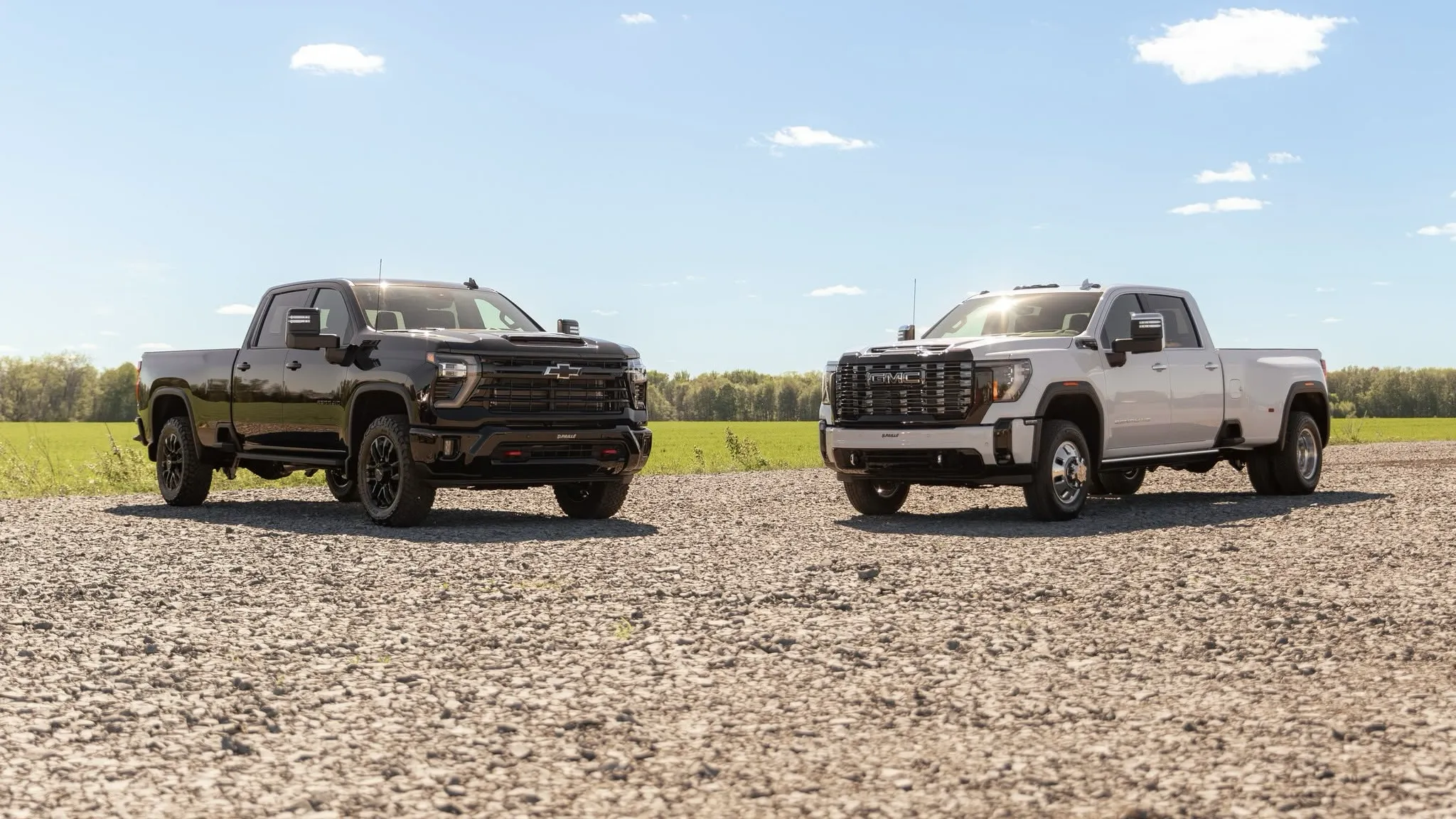
Not every truck gives you the same options. In Canada, for example, the Colorado and Canyon are only offered with a short box. On the Silverado HD and Sierra HD, the choice is between a standard box and a long box.
Another GM advantage worth pointing out compared to its competitors: the cargo volume offered by the bed. This difference comes down to the way the bed's protective structure is designed. As a result, at equal length, a GM bed always offers a larger volume than a comparable Ford bed, for example.
Here's a concrete example: on short beds, GM offers 62.9 cu. ft., compared to 62.3 cu. ft. for Ford. The gap confirms the trend: within the same category, GM always keeps a bit more usable space, which can make a difference day to day.
#1: Easier to park and manoeuvre every day
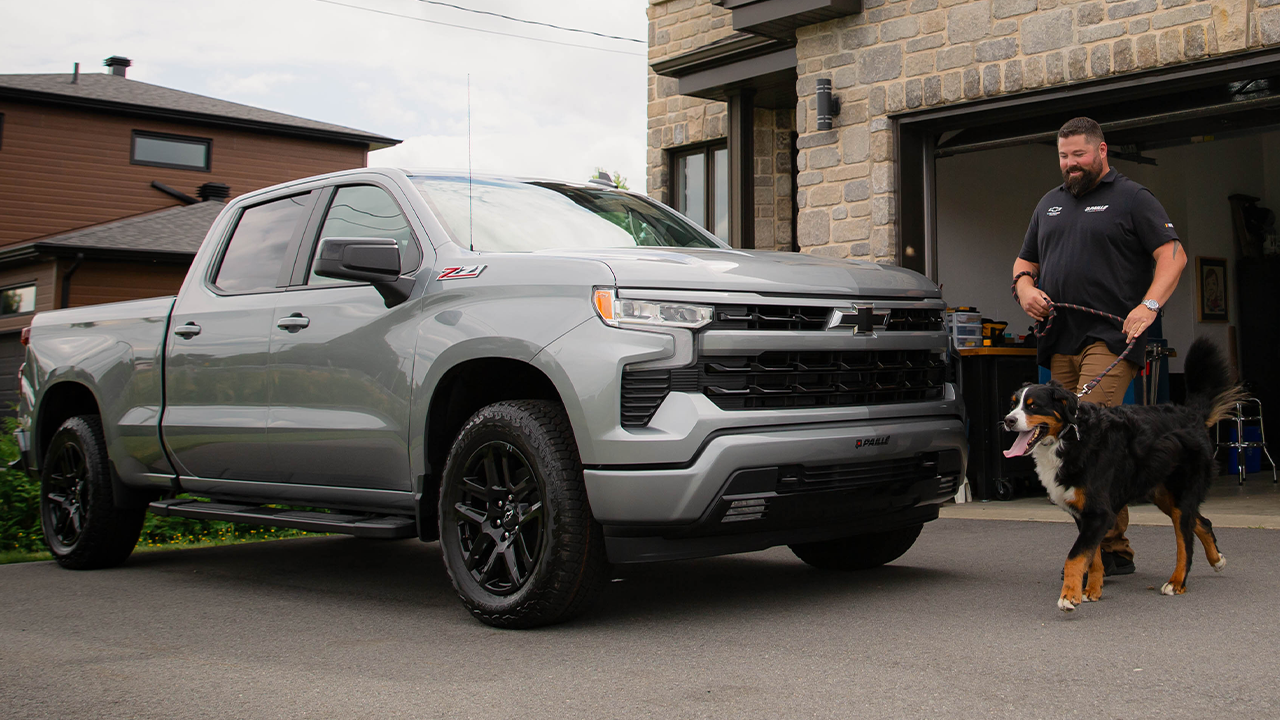
A Crew Cab with a short box measures 19’4” (233 in. / 5,912 mm) overall. This cab is available with either a short or standard box, but not a long box. Move up to the standard box with the same Crew Cab and the truck is roughly 10 inches (25 cm) longer.
Ten inches may not sound like much on paper. In a residential driveway, a parking space or a tight garage, you notice it pretty quickly. That makes the short-bed Crew Cab the most compact option for someone who wants a full-size truck with four full-size doors.
In the city, those extra inches can be easily felt when you’re parallel parking, turning into a narrow alley, pulling into an underground garage or manoeuvring through a busy parking lot. A shorter truck simply gives you more flexibility to work with.
#2: More passenger space without a much longer truck
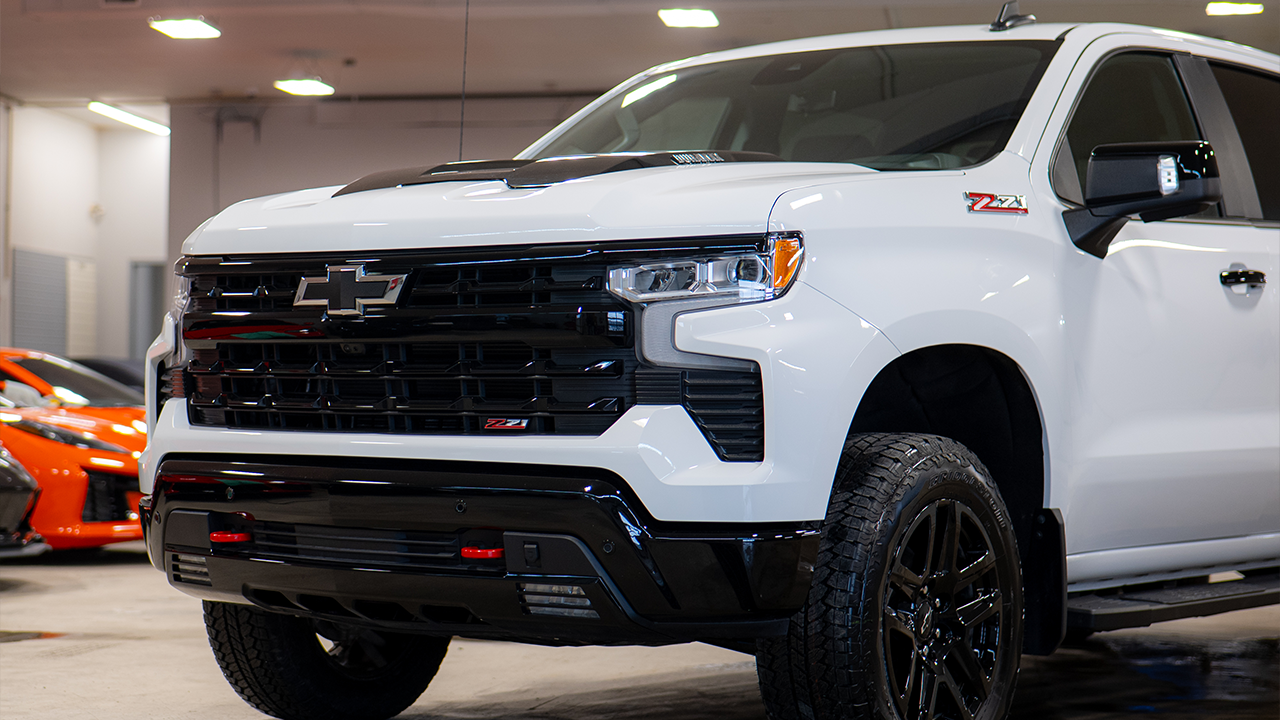
The Crew Cab gives you four full-size doors and a full rear bench. With the short bed, it measures 19’4” (233 in. / 5,912 mm) overall, only slightly longer than a Double Cab with a standard box at 19’3” (232 in. / 5,890 mm ).
In other words, these two trucks take up almost the same amount of space on the road. The difference is where that extra room is allocated. With a Crew Cab and short box, you get more passenger space. With a Double Cab and standard box, you get more cargo space in the bed itself.
If your kids or coworkers ride with you every day but you only haul long materials a few times a year, the Crew Cab with a short box may make a lot more sense.
If you use your truck box for work every day, a standard box may be the better fit.
#3: Plenty of cargo space for everyday use
On a Sierra 1500 Crew Cab, the short bed offers 1,781 L of cargo volume. That’s plenty of space for many everyday uses.
But volume doesn’t tell the whole story. The better question is: what actually fits in a 5’10” short bed?
A short box can easily handle things like bags of soil, tools, firewood, coolers and camping gear. An ATV may also fit depending on its dimensions and how it’s loaded and secured.
The difference between a short bed and a standard bed becomes much more noticeable with longer items. A 4 x 8 sheet of plywood, 2 x 8 lumber or other long building materials won’t fit entirely inside a 5’10” box with the tailgate closed. You’ll need to leave the tailgate down or use an appropriate support, bed extender or trailer.
So it’s less about cargo volume and more about what you actually haul.
If you mostly carry smaller items, a short box may give you all the space you need. If you regularly haul eight-foot materials, the extra inches of a standard box become much more useful.
On Crew Cab models, the Multi-Flex tailgate (Chevrolet) or MultiPro (GMC) pushes that space even further: an inner panel that folds into a work surface, two-tier loading, and built-in load stops. That's enough to maximize a short bed without adding a single inch.
#4: A smart choice if you only haul big loads occasionally
If you only haul long materials five or ten times a year, ask yourself this: do you need a longer truck the other 355 days?
For those occasional jobs, several solutions exist. The Multi-Flex and MultiPro tailgate, available on Crew Cab models, already add flexibility at no extra cost. Otherwise: a utility trailer rented by the hour or the day, a temporary cargo carrier, or a tailgate extender for loads that stick out slightly.
That doesn’t mean you should struggle with every load just to stick with a short box. But if you only need extra length five days a year, it’s worth asking yourself whether those five days will determine your truck purchase. Or, if it’s how you use it the other 360 days that matters more.
#5: A better fit for a residential garage
If your truck needs to fit in the garage, don’t rely only on the dimensions shown on your house plans.
Measure the actual usable space between the closed garage door and the back wall. Remember to account for stairs, shelving, workbenches and anything else that takes up space.
A Silverado 1500 or Sierra 1500 equipped with a Crew Cab with a short box measures about 19’4” overall. In a garage with exactly 20 feet of usable length, that leaves only a few inches of clearance in front of and behind your truck.
With a standard bed, the same Crew Cab is roughly another 10 inches longer. In some garages, those 10 inches can make the difference between closing the garage door and the tailgate sticking out.
Paillé tip: if garage space is part of your buying decision, measure the usable depth before coming to see us. That one measurement can help us quickly narrow down which trucks will actually fit and save you an unpleasant surprise once you get home.
#6: Towing doesn’t automatically mean you need a longer box
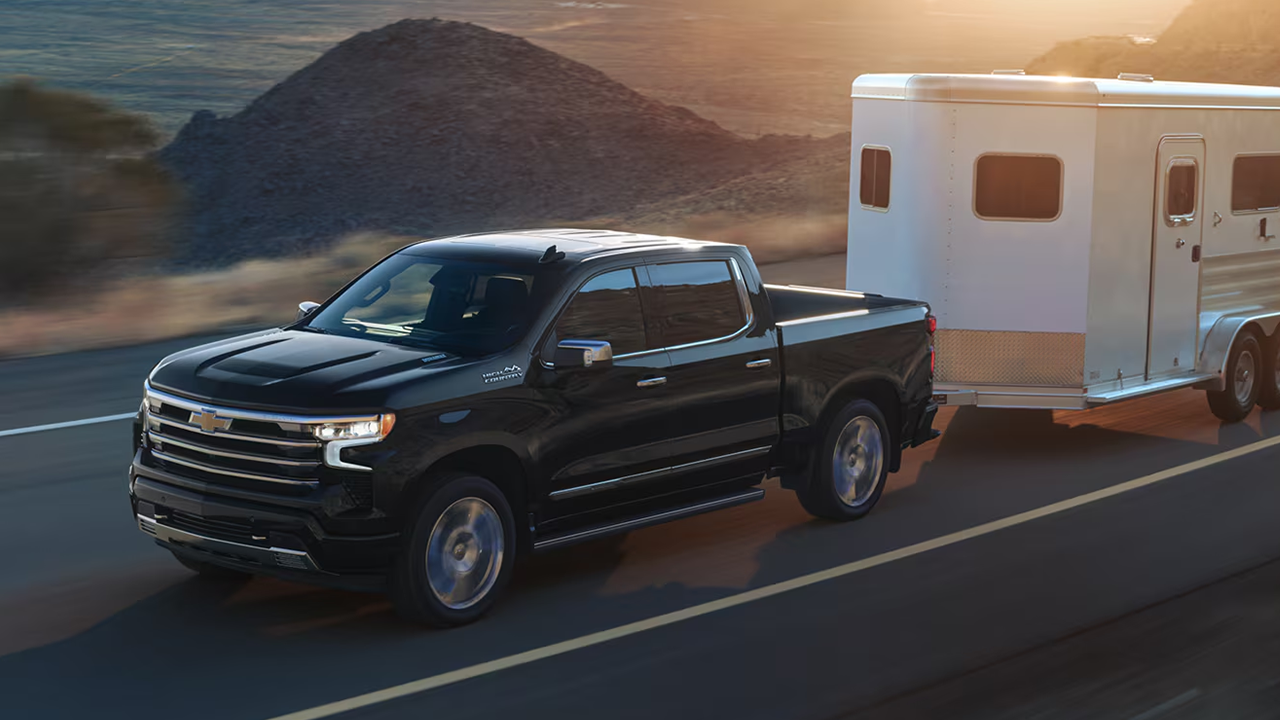
A short box can still give you plenty of towing capability.
Towing capacity depends on how your truck is equipped overall: engine, axle ratio, cab, 2WD or 4WD, towing equipment and other factors. Two Silverado or Sierra trucks with the same engine can still have different towing capacities.
If you tow a conventional travel trailer, boat or utility trailer, you don’t need to automatically move up to a longer box. Instead, check the towing capacity of the exact truck you’re considering and compare it with the weight of what you plan to tow.
With the same engine, a short-box truck can sometimes even offer slightly more towing capacity than a standard-box truck simply because it is not as heavy.
That’s exactly where talking to a Paillé expert can help. Come see us or give us a call.
So, short box or standard box: which one is right for you?
A short bed may be the better fit if your truck carries people just as often as it does cargo, if you want a Crew Cab without making the truck significantly longer, or if you only occasionally need extra room for large loads.
A standard box may be a better fit if you regularly haul long materials, use your truck box for work every day or know those extra inches will make your life easier every week.
Don’t choose your bed based on the biggest load you might carry one day. Think about what you’ll actually use your truck for most of the time. That’s usually the easiest way to figure out which setup makes the most sense.
Come compare them at GM Paillé
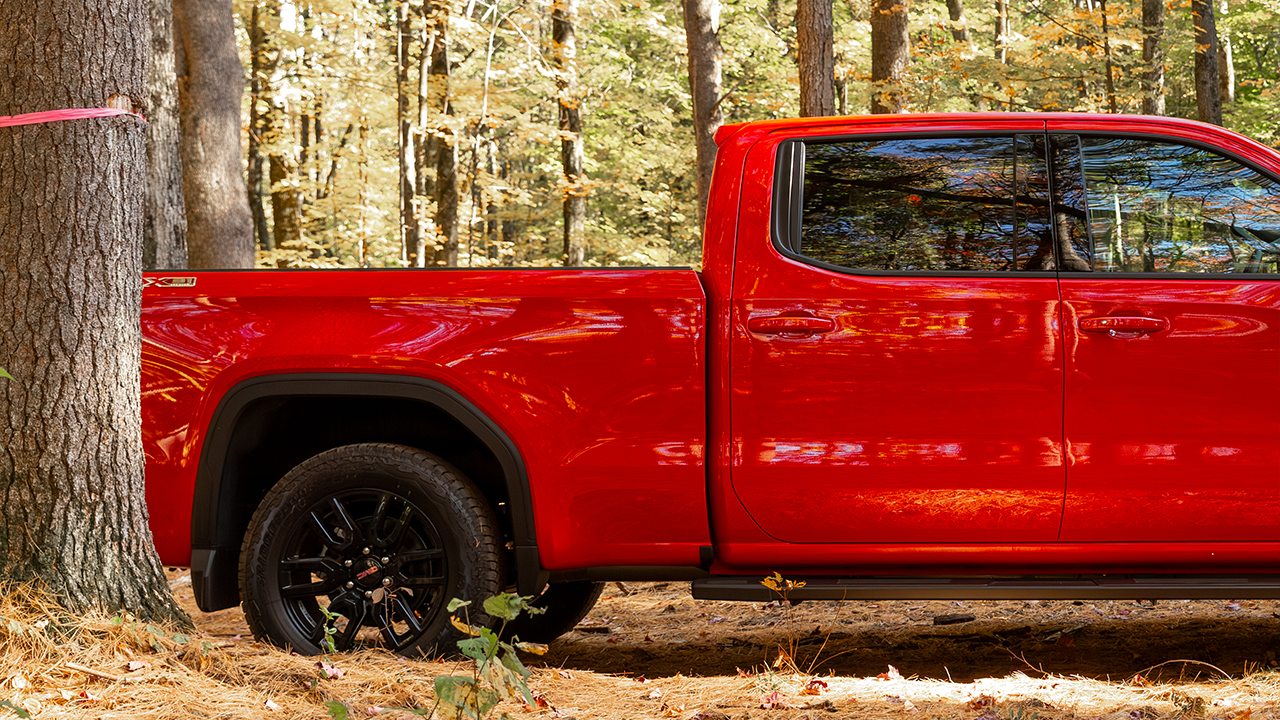
Ten inches may not seem like much on paper. But park these two trucks side by side, and those 10 inches become a lot easier to understand.
Come to GM Paillé in Berthierville and compare the different options in person. Tell us what you carry, what you tow and how you use your truck, and we’ll help you figure out which box length makes the most sense for you.
FAQ
Can a short box still carry a snowmobile or ATV?
An ATV can fit in many cases, depending on its dimensions and how it’s loaded. A snowmobile is generally too long to fit entirely in the box, whether the bed is short or long, so a suitable loading platform or another setup is typically required. Don’t forget that you can also opt for a Multi-Flex or Multi-Pro tailgate to make your life easier.
A Paillé expert can help you figure out what equipment you’ll need for your ATV or snowmobile.
Is the resale value of a short-box truck comparable to that of a long-box truck in Quebec?
Mileage, maintenance history and the truck’s overall condition are major factors in resale value. Demand for a specific cab-and-box combination can also vary depending on the market.
If you’re thinking about trading in your current truck, a Paillé expert can also help you estimate its trade-in value.
Do I lose a lot of payload capacity with a Crew Cab and short bed?
Not necessarily. Payload capacity depends on how the truck is equipped, not just the length of the box.
A truck with a short bed can sometimes offer slightly more payload capacity than a comparable standard-box truck because it weighs less. The best way to know is to check the payload rating of the specific truck you’re considering.
Are there accessories that can make a short box more versatile?
Yes. Rack systems, tonneau covers, tie-down systems and bed extenders can all make a short box more versatile.
The important thing is to choose accessories designed for your specific truck and box length.
Is a short box suitable if I regularly tow a travel trailer?
Often, yes. A conventional travel trailer doesn’t automatically require a standard or long box. What matters is whether the truck you’re considering has the payload and towing capacity required for your trailer.
Fifth-wheel and gooseneck trailers need a little more attention with a short box because clearance between the trailer and cab can become an issue during tight turns.