
Is It a Bird? Is It a Plane? No, It’s a Firebird!
November 01 2022,
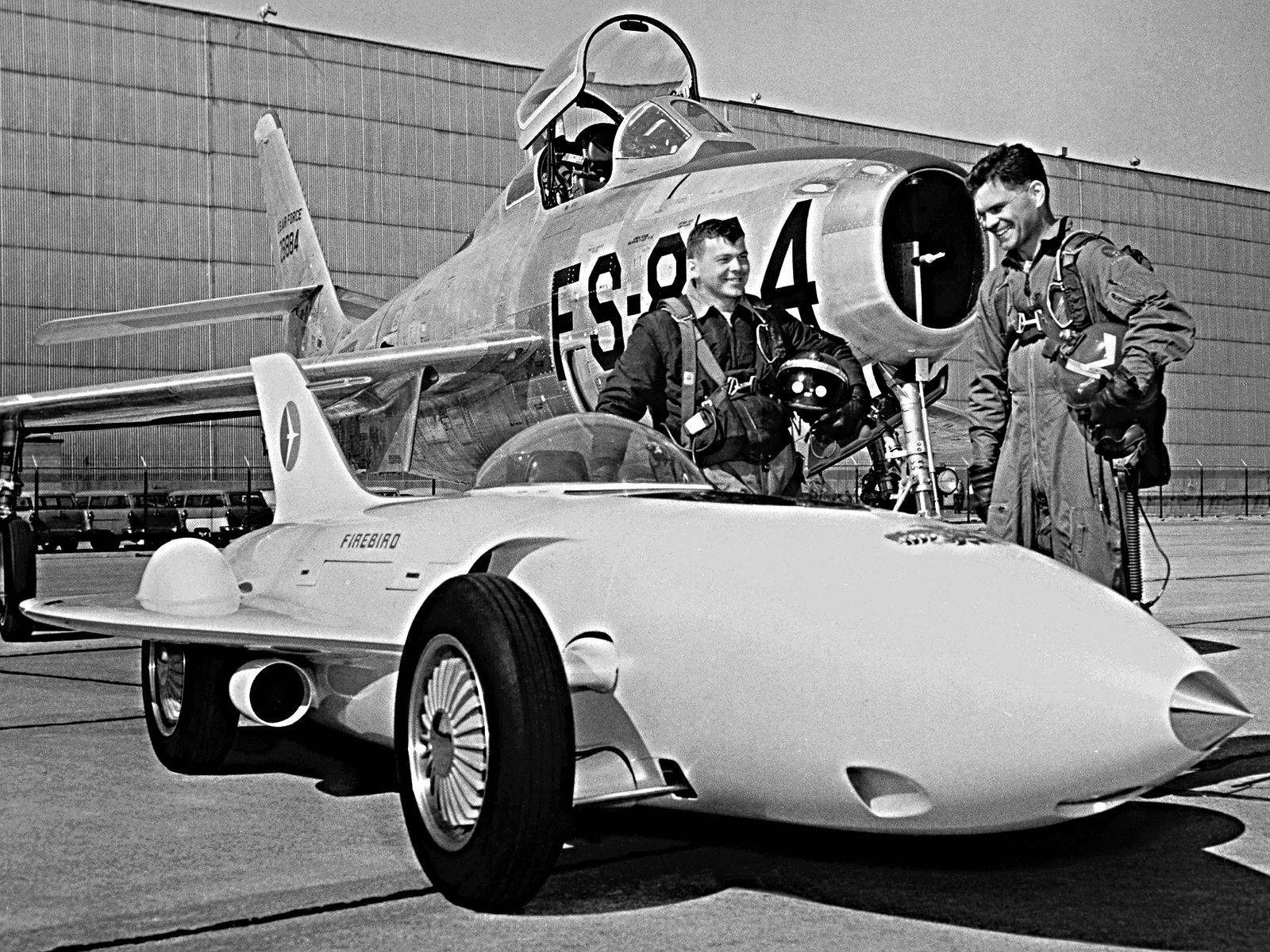
In the 1950s, American car manufacturers experimented with turbine engines. Chrysler was the most successful technologically, producing about 50 Chrysler Turbines in 1964. But in terms of styling, General Motors’ (GM) bold, aviation-inspired designs stood out. This is the fascinating story of its Firebird series.
GM Firebird I (1954)
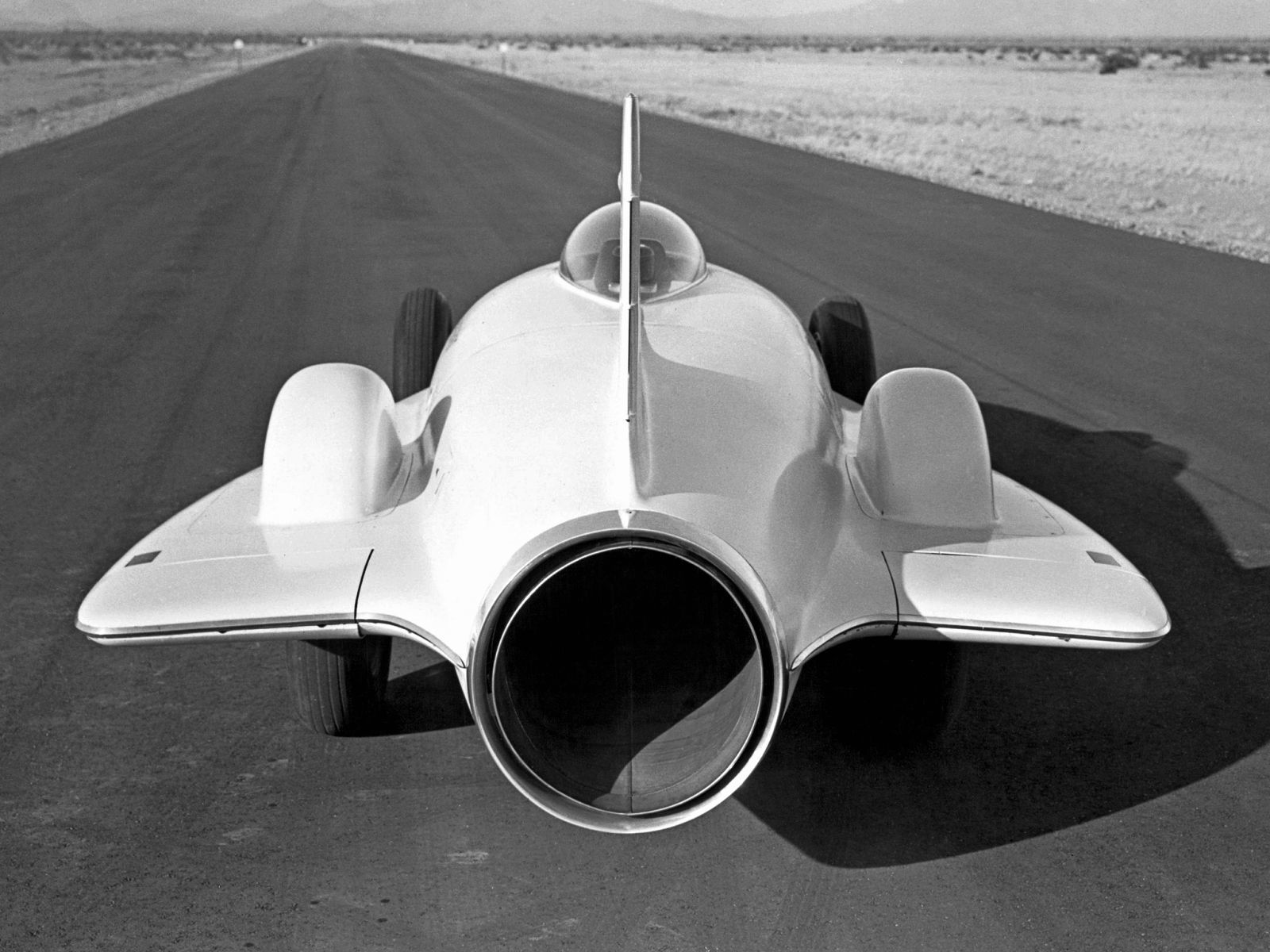
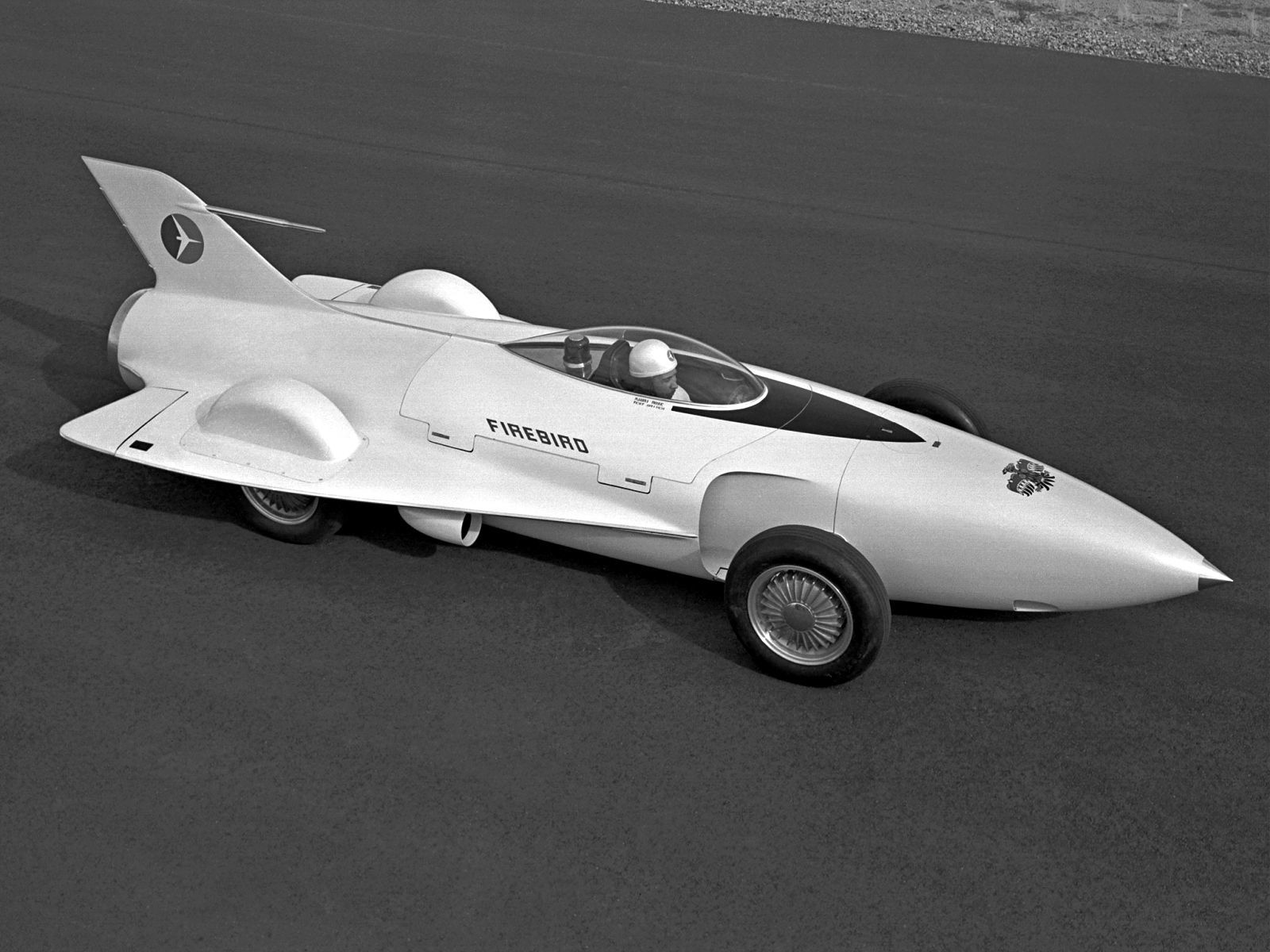
Unveiled at the 1954 Motorama Show, the Firebird I was a jet on wheels. Bob McLean’s design featured an elongated shape with a pointed nose, side and rear spoilers and a glass bubble as a roof.
The Guide de l'auto reports that the prototype’s GT-302 Whirlfire turbine engine delivered a whopping 400 horsepower but consumed an astronomical amount of fuel: 39 to 58 L/100 km. Another problem was that the air expelled from its exhaust pipe could reach extreme temperatures over 537oC1 .
The car also proved challenging to drive at high speeds. During the first test at GM’s Arizona test track, the Milford Proving Ground, a driver lost control of the prototype and was seriously injured.
GM Firebird II (1956)
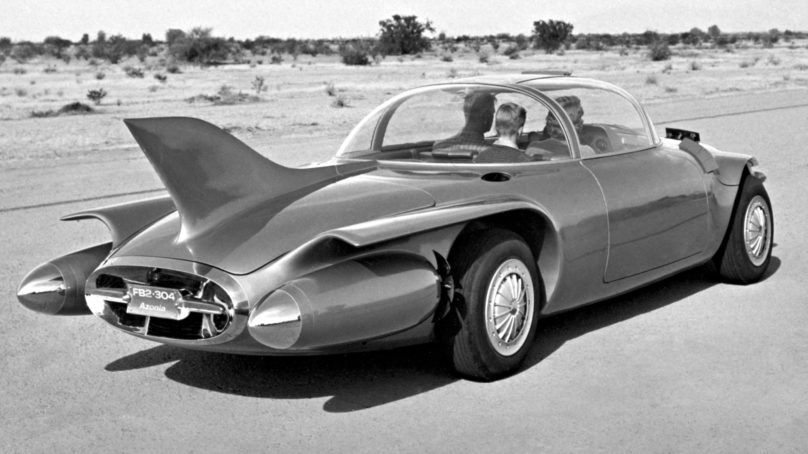
Two years later, GM put aside its quest for speed and introduced what the manufacturer describes as "the first American gas turbine car specifically designed for family usage on the highway for the future"2 . Halfway between an airplane and a sedan, the car featured a titanium body and a complete glass roof.
Its more modest 225-horsepower GT-304 Whirlfire turbine engine consumed half as much fuel, 19 to 29 L/100 km. Considering that American cars of the time averaged 16 L/100 km3 , that’s not bad. A regenerative cooling system tempered the extreme heat of the exhaust pipe.
GM Firebird III (1959)
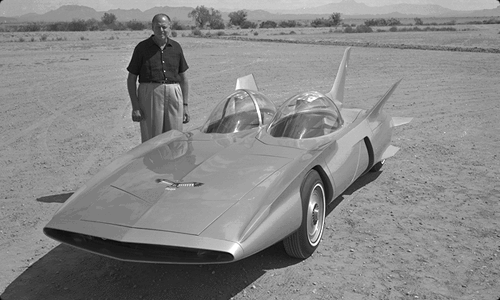
After a two-year hiatus, the 1959 Motorama Show hosted a new generation of GM’s turbine-powered car: the Firebird III. This fighter-like coupe featured a multitude of sharply angled fins, and a double-bubble canopy covered its cockpit. Its steering wheel was replaced by a joystick that took care of everything: steering, acceleration, and braking. This edition was lighter and more fuel-efficient - its GT-305 engine used 50 percent less fuel than its predecessor - but required a secondary gas engine to run the air conditioning, power steering and self-levelling suspension.
GM Firebird IV (1964)
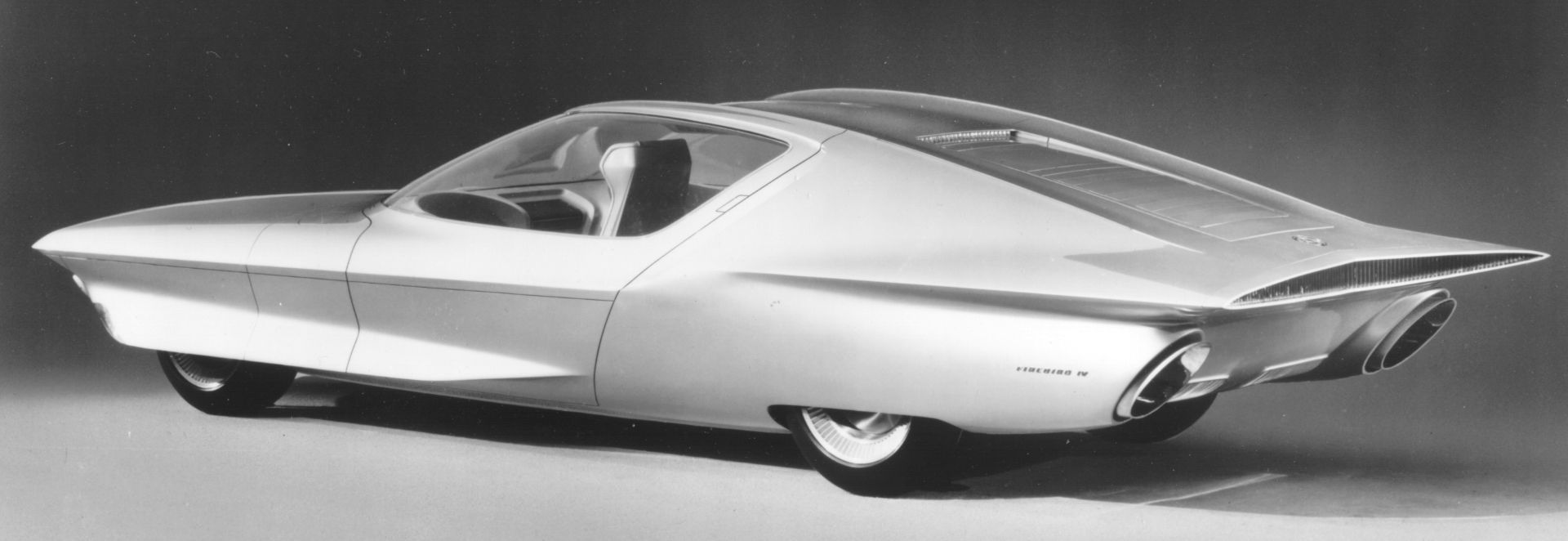
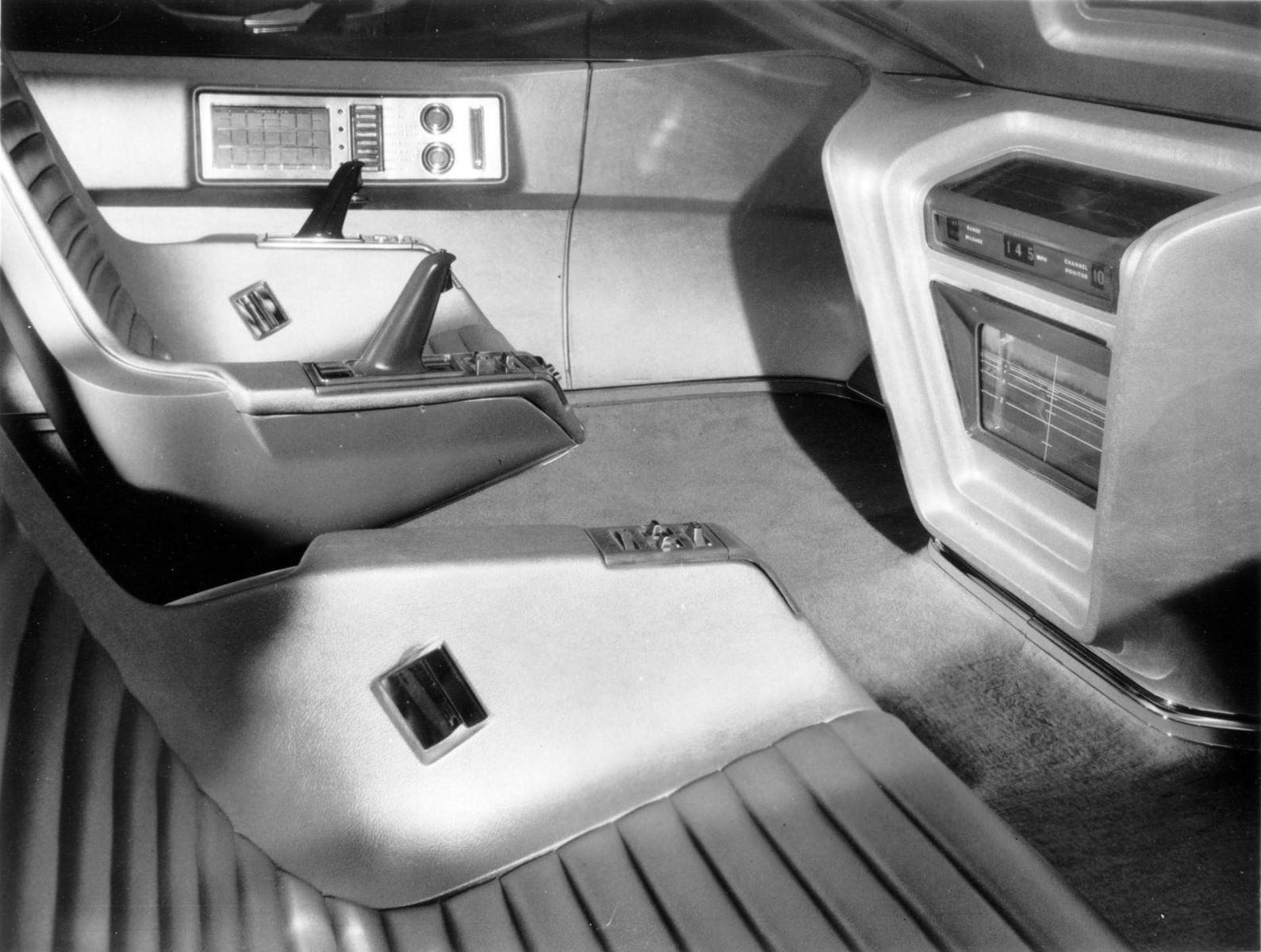
GM unveiled the final car of the series at the 1964 New York International Auto Show: the Firebird IV. Although designed to accommodate a turbine engine, this prototype never ran. Its elegant styling marked a break with previous generations, with sleek, futuristic lines reminiscent of wings rather than fins. Inside, the seats reclined and swivelled. Finally, it was almost an actual living room on wheels, equipped with a minifridge, a folding table and a television set. Its design was carried over almost entirely in 1969 for the Buick Century Cruiser.
The Firebird’s Technological Legacy
With the adoption of laws aimed at reducing greenhouse gases, turbine-powered cars were abandoned because they were too energy-intensive. However, Firebirds were among the first vehicles to incorporate technologies that are now commonplace: reverse cameras, anti-lock braking systems, cruise control, etc. The Firebird IV was even equipped with a punch card reader that could have been used as a navigation system!
_________________________________
3 https://www.cnbc.com/2015/08/12/driving-costs-the-same-as-it-did-in-the-50s.html
Image sources : General Motors; carstyling.ru; guideautoweb.com